


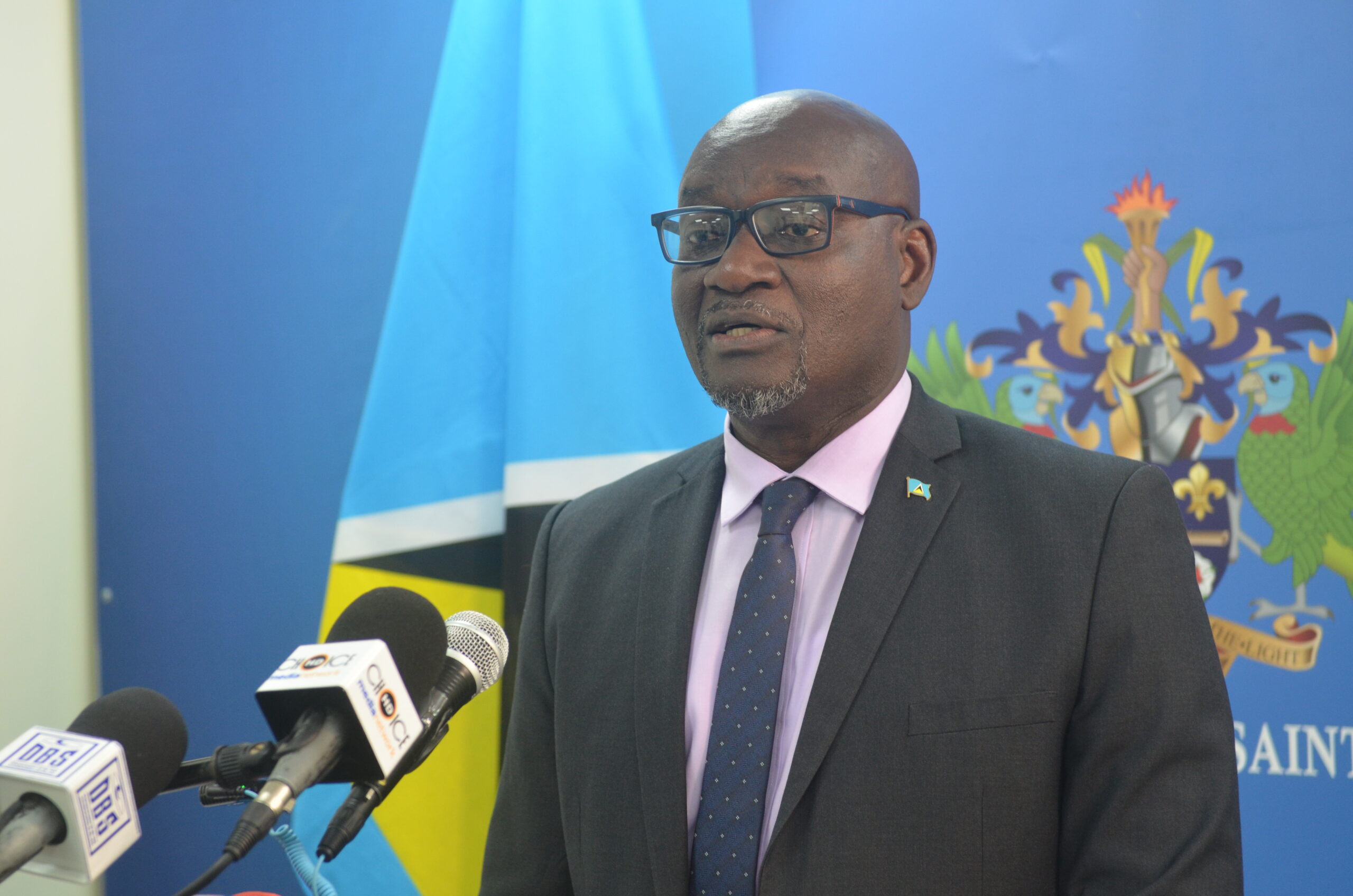
St. Lucia is well positioned and “contingencies are in place” to deal with the possibility of incidents of Hantavirus cases on the island. So says Minister for Health Moses Jn. Baptiste.
The Ministry of Health, Wellness and Nutrition is reportedly closely monitoring reports of a cluster of hantavirus cases linked to the cruise vessel, the MV Hondius, which departed Argentina on April 1, 2026, carrying passengers and crew from 28 countries.
As of Tuesday, the World Health Organization {WHO} had reported 11 hantavirus cases linked to the ship, including three deaths. Of the 11 cases, nine have been confirmed as Andes virus infections, with the remaining two classified as suspected. The Andes virus is a hantavirus strain that spreads from person to person.
The ship was carrying around 150 passengers and crew members from more than 20 countries, including 38 from the Philippines, 23 from Britain, 17 from the United States, 14 from Spain, 11 from the Netherlands, eight from Germany, and five each from France and Ukraine.
Health authorities have been informed that a Caribbean national who was onboard the vessel may have been exposed to the virus; however, official communication from the relevant country has indicated that there are currently no suspected or confirmed cases of hantavirus there at this time.
The World Health Organisation (WHO) has assessed the overall public health risk as low and given that the incubation period for hantavirus can extend up to six weeks, additional cases may still be identified as investigations continue.
Hantavirus is not a new virus, and over 20 strains have been identified. Transmission to humans is primarily through contact with the urine, droppings, or saliva of infected rodents. There is limited spread from one person to another, and this has only been documented with the Andes virus, which is the strain associated with this outbreak. Such spread is generally linked to close and prolonged contact with an infected person. Symptoms of the hantavirus may include fever, headache, muscle aches, abdominal pain, nausea, and vomiting. In severe cases, the illness can progress rapidly to coughing, shortness of breath, fluid accumulation in the lungs, and shock.
Individuals traveling to areas with ongoing transmission have been advised to avoid rodent- infested areas where possible. When cleaning areas contaminated by rodents, individuals should use appropriate protective measures, including face masks, gloves, and disinfectants, to reduce the risk of exposure to airborne particles that may carry the virus.
At this time, there are no suspected or confirmed cases of hantavirus in Saint Lucia. The Ministry of Health has confirmed it will continue to monitor developments related to this outbreak and provide updates to the public.