


By Reginald Andrew
Saint Lucia is taking significant steps to improve the quality of healthcare services for adolescents by establishing a standards-driven approach.
High-level health officials from the region and beyond gathered at the Coco Palm Resort in Rodney Bay on Wednesday for a seminar to launch the Reproductive Education and Adolescent Community Health (REACH) Project.
This $4 million (CAD.) initiative, funded by the Canadian government, aims to enhance access to and quality of sexual and reproductive health (SRH) services for adolescents in Saint Lucia, along with partner nations Dominica, Grenada, and St. Vincent and the Grenadines.
By focusing on community engagement, education, and service delivery, REACH seeks to address critical gaps in adolescent SRH, particularly among marginalized youth. The project represents a regional commitment to empowering young people with knowledge and rights-based healthcare.
During the opening ceremony, Heather Macintosh, Director of the REACH Project at Alinea International, highlighted the project’s progress since its inception. “This initiative was developed in response to the high adolescent pregnancy rates in the region, collaborating closely with Saint Lucia’s Ministry of Health policymakers and experts through the OECS Commission and a Virtual Health Policy forum,” Macintosh stated.
She said that despite a decline in adolescent fertility rates in recent years, many young people still encounter barriers to accessing essential services. The REACH Project aims to ensure that no adolescent is left behind, particularly those in vulnerable communities, by improving access to care and support systems.
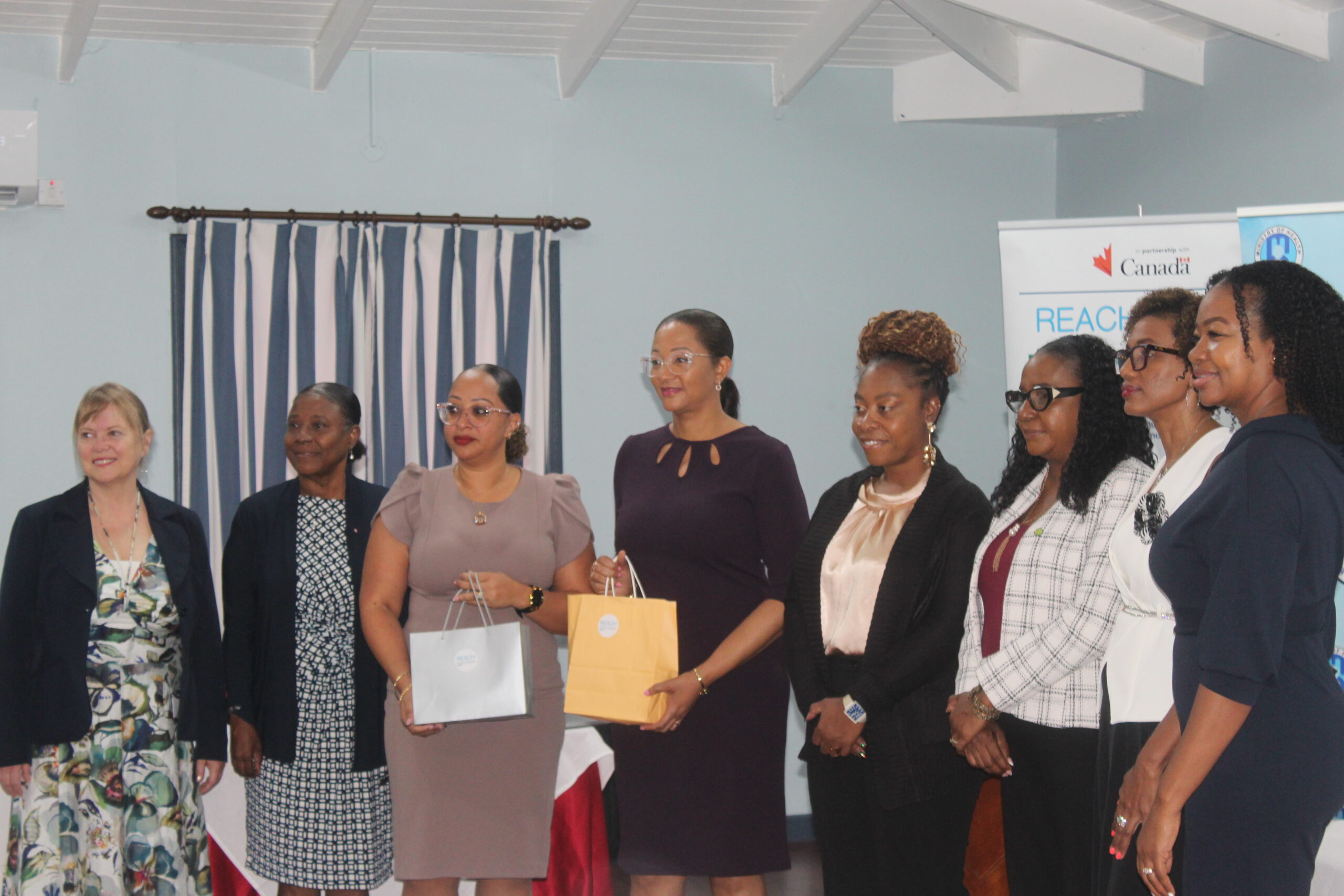
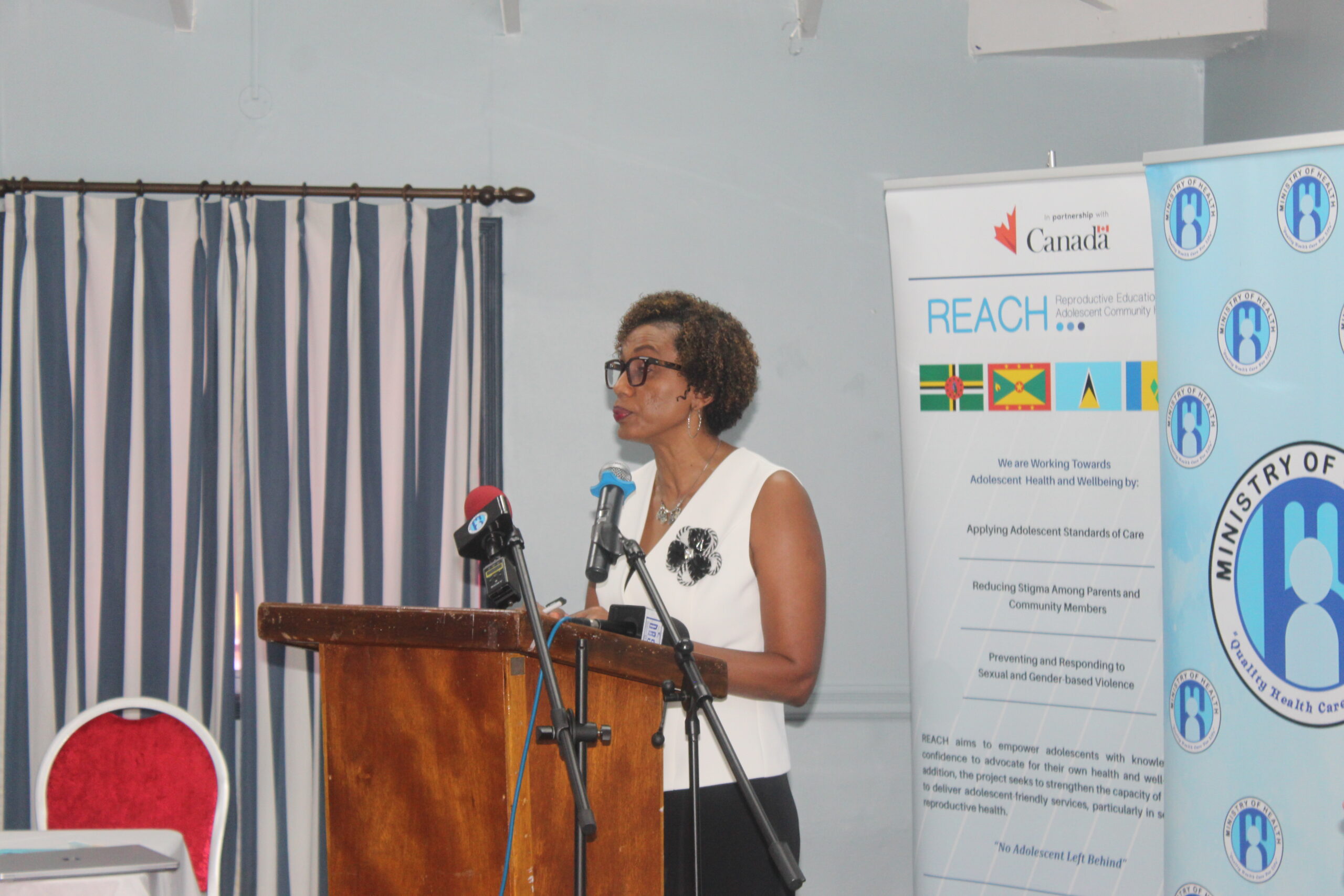
Photo credit: VOICE PUBLISHING
Cynthia Fontenelle, Project Manager of the REACH Project, provided an overview of the four-year initiative funded by Global Affairs Canada and implemented by Alinea International in collaboration with the Caribbean Technical Assistance and Education Centre for Health (C-TECH) and the OECS Commission. “Our shared purpose is to strengthen the health and future of young people across the OECS,” Fontenelle emphasized.
Explaining the goals of REACH, she said, “At its core, this initiative focuses on enhancing adolescents’ sexual and reproductive health through improved services, meaningful youth engagement, community awareness, and better quality coordination.”
Fontenelle continued, “Through this initiative, we aim to reduce stigma, strengthen communication, empower youth, and improve the accessibility and quality of services.”
She expressed optimism that by the end of the project, there would be more girls and young women accessing SRH services, greater capacity among service providers to address sexual and gender-based violence, and increased involvement of civil society in tackling stigma and fostering healthier communities.
“Our goal is clear: to create an environment where young people feel safe, supported, and empowered to make informed decisions about their health,” she asserted.
Dr. Natalie Irving-Mattocks, Executive Director of CTECH, described the launch as a vital step toward transforming health systems to better serve young people. She identified stigma as a significant barrier to accessing sexual and reproductive health services across the four participating countries.
“The data is very clear: adolescents in Saint Lucia are ready, willing, and eager to engage. Our responsibility is to ensure that systems are cohesive, inclusive, and supportive, so their voices lead to meaningful action and impact,” Dr. Irving-Mattocks stated.
Other speakers, including Michele Gibson from the High Commission of Canada and Saint Lucia’s Chief Medical Officer, Dr. Belmar George, emphasized the program’s aim to transform adolescent reproductive health across the region. The focus of the initiative is on placing adolescents and young people at the forefront of this transformative agenda, enhancing reproductive health, and empowering youth.
The youth advocacy campaign is designed to strengthen institutional capacity and bolster healthcare systems.
Dr. George said that young people are actively involved in the program and are seeking to improve policies for better health outcomes.