


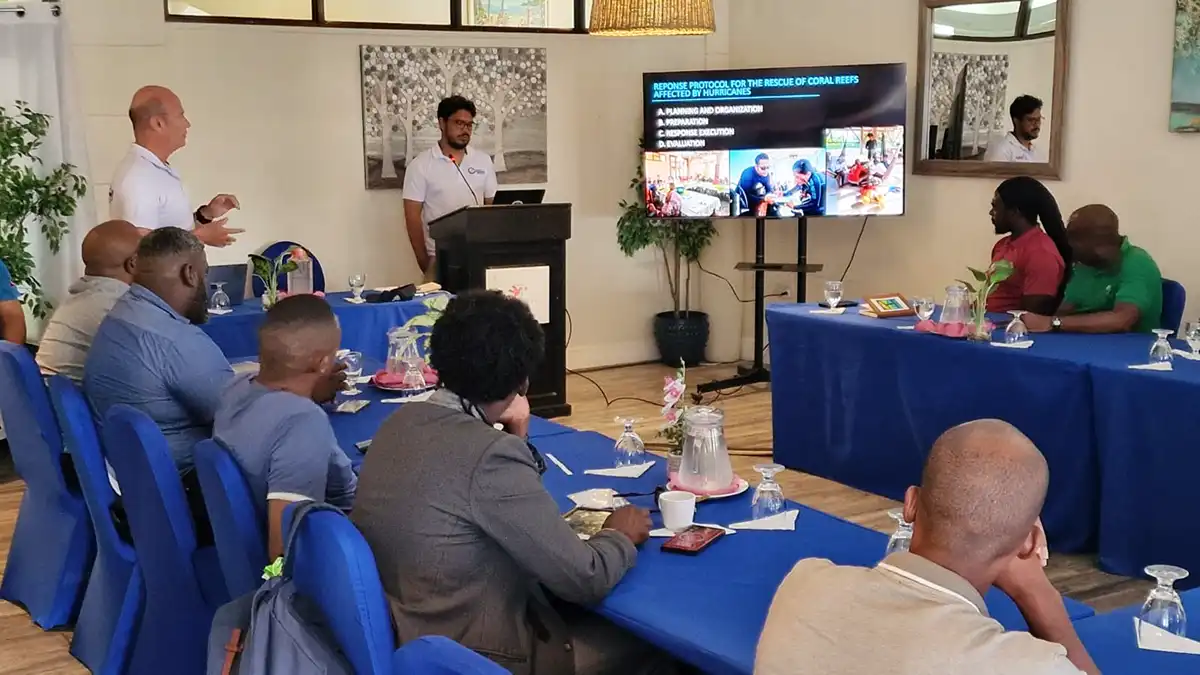
Saint Lucia has initiated the Coral Reef Response System, an integral part of regional efforts aimed at enhancing reef resilience through insurance, rapid response, and preparedness measures.
Trained brigades will assess damage, support recovery, and mobilize funds swiftly following storms. This initiative collaborates with national agencies, regional partners, and technical support to safeguard reefs, coastal communities, livelihoods, and food security.
As the island prepares to face upcoming challenges with a focus on economic sustainability and productivity, the launch of the Saint Lucia Coral Reef Response System represents a significant step towards protecting and bolstering the resilience of coral reefs and coastal populations.
This initiative is part of the broader “Strengthening Reef Resilience to Hurricanes in the Caribbean” project, coordinated by the Caribbean Biodiversity Fund’s Reef Resilience and Risk Financing Mechanism (R3FM). The program combines preparedness through planning, rapid response strategies, and innovative reef insurance financing to expedite recovery processes after hurricanes.
The aim of the Reef Resilience and Risk Financing Mechanisms (R3FM) project is to establish an effective, efficient, and sustainable regional reef insurance program that reliably finances post-hurricane response efforts across the Caribbean.
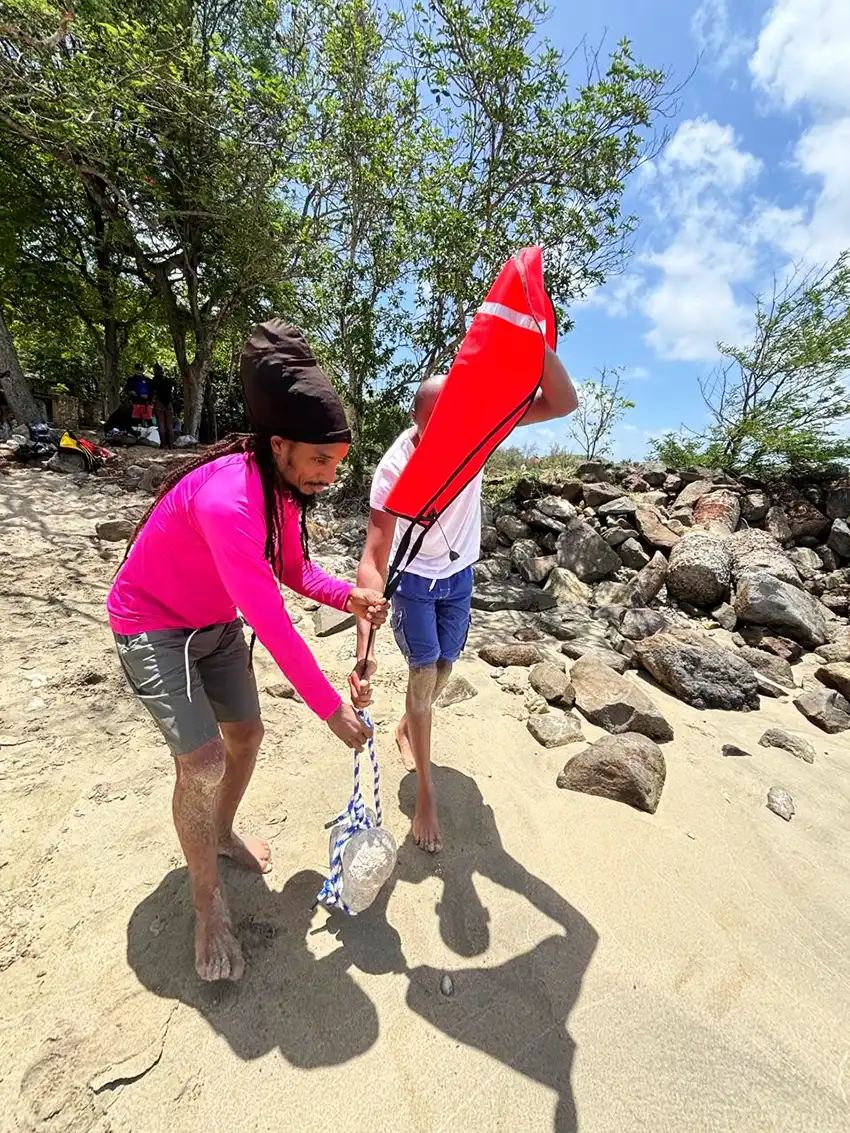
This will provide essential shock-responsive liquidity for responders, improve coral reef health, and enhance the resilience of vulnerable populations reliant on healthy reefs for:
– Livelihoods: Supporting local economies, particularly within coastal communities.
– Food Security: Ensuring the availability of marine resources.
– Coastal Protection: Mitigating the impacts of storm surges and coastal erosion.
The proposed parametric insurance mechanism, designed to cover only those events expected to cause reef damage, will have a pay-out structure customized to provide funding aligned with specific recovery needs, based on detailed cost assessments.
The Caribbean Biodiversity Fund (CBF) leads this project, coordinating efforts across countries and managing a regional reef parametric insurance policy.
Collaborating with national conservation trust funds in Jamaica, Saint Lucia, the Dominican Republic, and St. Vincent and the Grenadines, these partners will oversee funds at the country level and support local reef response teams.
Technical assistance is provided by Willis Towers Watson (WTW), an international insurance and risk-management firm, alongside MAR Fund, which offers regional expertise from similar reef insurance and recovery programs.
According to SLUNCF CEO Craig Henry, this initiative is both innovative and timely, coinciding with the official start of hurricane season.
A key aspect of the project is the establishment of Saint Lucia’s inaugural Coral Reef Response Brigades, tasked with coordinating and executing response activities. This initiative is being realized through an intensive one-week in-person training program that began on June 1st, involving a cohort of 20 participants, including free divers, scuba divers, and other marine professionals from across the island.
This certified training program encompasses both theoretical knowledge and hands-on experiences, equipping participants with the essential skills needed to support response and recovery initiatives.