


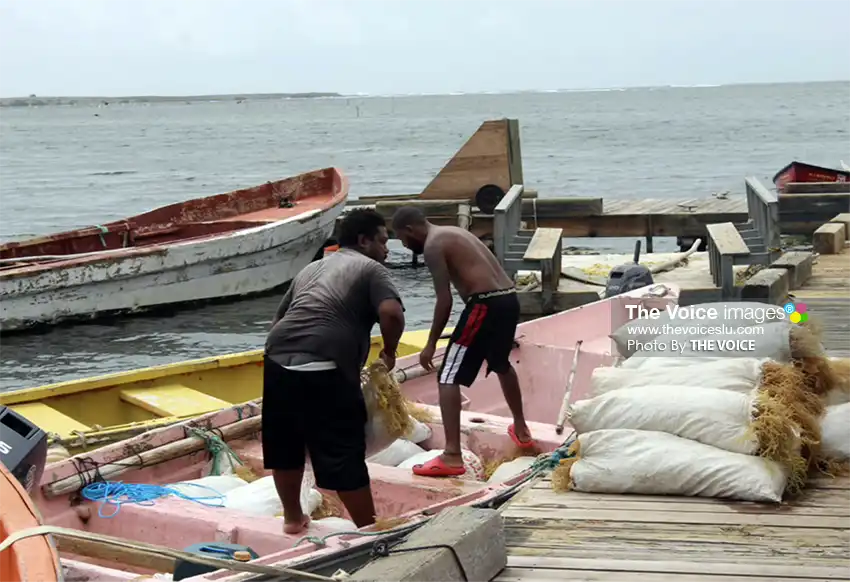
Key stakeholders in Saint Lucia are taking decisive action to implement innovative standards that will upgrade the island’s sea moss industry. Their focus is twofold: enhancing the sustainability of this vital sector and preserving the unique aesthetics of the local mangrove environment at Savannes Bay in the southern community.
This week, the Saint Lucia National Conservation Fund (SLUNCF) organized a successful media field visit to Savannes Bay, attended by local media, SLUNCF staff, representatives from the Ministry of Agriculture and Fisheries, the Crown Lands Department, the Saint Lucia Chamber of Shipping, and local farmers.
This comprehensive visit provided essential insights into sea moss farming and outlined plans to revitalize the sector, creating viable and resilient livelihoods for residents.
Stakeholders are also committed to showcasing this initiative as a model for implementation in other areas. In collaboration with the SLUNCF, the Department of Fisheries is set to launch the Marine Debris Removal and Deployment of Sustainable Raft Systems Project in Savannes Bay, Boriel Beach, and Bois Chadon in Vieux Fort. This project is valued at USD $80,000 (approximately EC $215,000).
Craig Henry, SLUNCF’s CEO, addressed reporters regarding the project, emphasizing critical issues related to sea moss cultivation in the Savannes Bay area.
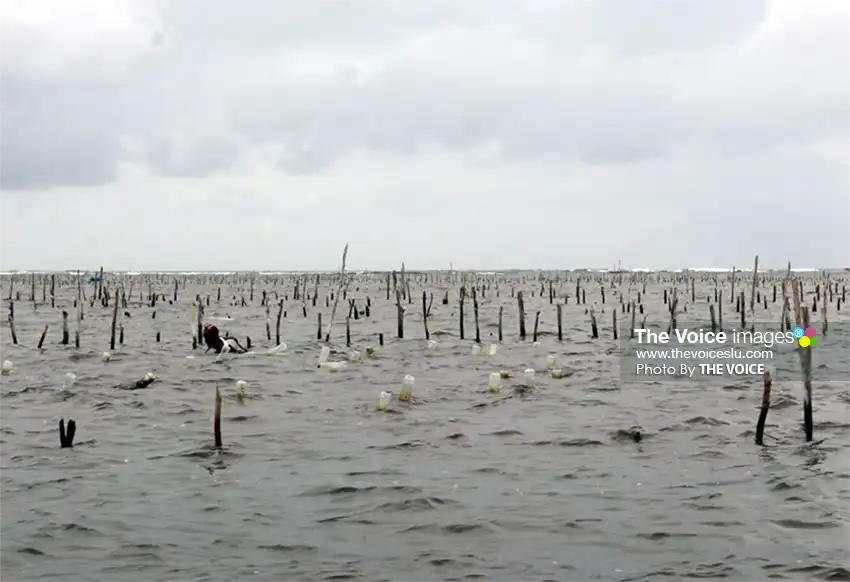
“Savannes Bay falls within the Pointe Sable Environment Protection Area and is recognized for its critical ecosystems, including seagrass beds and coral reefs,” Henry stated.
“It is not only a lucrative site for local fisheries but has also emerged as a significant exporter of sea moss,” he said.
Henry highlighted the growing usage of the area, prompting several agencies, including SLUNCF and the Fisheries Department, to collaboratively manage resources in Savannes Bay, specifically addressing the spatial challenges arising from sea moss cultivation.
Furthermore, stakeholders are engaging with farmers on essential zoning considerations, suitable sites for cultivation, and streamlining production processes. The project is being implemented through the Caribbean Biodiversity Fund (CBF) under the Caribbean Regional Architecture for Biodiversity (CRAB) Project, with the Agence Française de Développement (AFD) as a key funding partner.
Henry emphasized the need for more structured and regulated sea moss cultivation practices to alleviate environmental pressures associated with traditional methods.
“We are committed to assisting the Department of Fisheries and other agencies in establishing order in how sea moss is cultivated, utilizing modern technologies such as rounded wood and eco-friendly plastic containers as floaters,” he added.
This initiative will transform the current haphazard practices into well-organized farms. The implementation will relocate sea moss farmers to regulated zones, leveraging new technologies for cultivation.
Savannes Bay, located within the Pointe Sable Environment Protection Area (PSEPA), is one of Saint Lucia’s most environmentally significant coastal zones. The bay supports a wealth of biodiversity, fisheries, sea oyster farming, recreational activities, and community livelihoods.
This project builds upon previous efforts through the BIOPAMA Programme, which aimed to enhance management of the bay and promote sustainable use of this shared resource.
In the wake of severe weather events like Hurricane Beryl, marine debris and abandoned sea-farming materials have accumulated in parts of the bay, including broken wooden stakes, ropes, nylon lines, anchors, plastic bottles, and damaged farming structures.
The SLUNCF asserts that the project will restore marine areas by:
– Removing marine debris and abandoned sea-farming materials from approximately 10 hectares of marine space.
– Introducing sustainable farming systems through the installation of eco-friendly PVC raft systems to support climate-resilient seaweed farming practices.
– Supporting the livelihoods of approximately 45 fishers and farmers, with a target of 27% female participation.
– Building capacity through training in climate-resilient farming and sustainable aquaculture practices.
– Establishing Savannes Bay as a demonstration site to facilitate future replication in other coastal communities.
Saint Lucia is poised for a significant transformation in its sea moss industry, marking a commitment to sustainability, innovation, and community empowerment.