


The changes, which begin with CAPE in 2027 and will be fully introduced for CSEC by 2028, come as CXC responds to concerns about the growing use of generative artificial intelligence (AI) and its impact on the authenticity of student work.
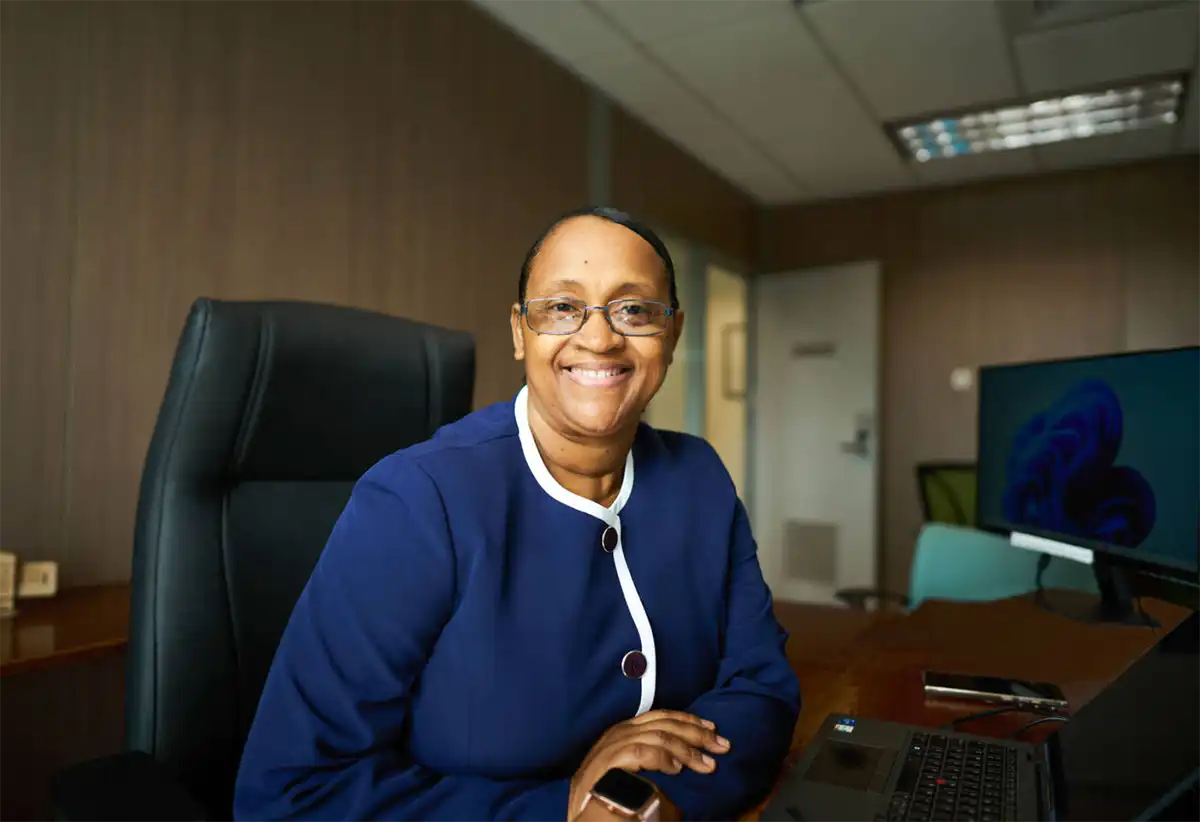
CXC Director of Operations Nicole Manning notes that the organisation recognises that “AI is part of our world and it will be part of our future,” but that CXC must ensure that examination results continue to reflect students’ own abilities.
She further explained that CXC is not seeking to stop students from using AI as a learning tool, but stressed that submitted assessments must demonstrate the student’s own competence. She further expressed that “AI may assist preparation, but students’ competence must be demonstrated under controlled examination conditions without the use of AI.”
According to Manning, the challenge arises when “AI is used to produce an SBA that is submitted as a student’s own original effort, we can no longer be certain whose work we are assessing,” she said.
CXC’s revised framework will see practical-based subjects retain their SBAs. These include Agricultural Science, Visual Arts, Music, Physical Education, Technical Drawing, and Food, Nutrition and Health.
The examination body said these subjects rely heavily on hands-on projects and practical demonstrations that cannot be replicated in a traditional examination setting. The moderation process for these SBAs will also be strengthened.
However, students taking non-practical subjects, including Mathematics, English, Caribbean History, Social Studies and Principles of Business, will transition away from the traditional SBA model and complete Paper 32 assessments instead.
Under the new format, candidates will receive their assessment topics approximately one month before the assessment and will be permitted to bring reference notes into the examination room.
Manning purports that the approach is intended to maintain aspects of extended assessment while improving confidence in the authorship of students’ work.
CXC notes that the reforms followed consultations with teachers, principals, curriculum officers, local registrars and ministries of education across 21 territories. The organisation also reported that a survey of nearly 2,400 educators showed support for the changes, with 77 per cent supporting the reform for CSEC and 76 per cent supporting it for CAPE.
For CAPE, the move to Paper 32 for non-practical subjects will take effect in the May/June 2027 examination session.
For CSEC, schools will have the option of using either the SBA or Paper 3/2 during the 2027 examinations, before full implementation begins in 2028. Students who have already completed SBAs will not lose their results. CXC said existing SBA scores will remain transferable under the current two-year rule, and Paper 3/2 scores will also follow the same policy.
Manning expressed that CXC will provide support during the transition through frequently asked questions, webinars and guidance from local registrars.
She further expressed that the ultimate aim of the reform is to ensure that students are recognised for their genuine knowledge and skills, that “Integrity is not about whether a machine can detect what you did. It is about who you choose to be.”