


Saint Lucia is taking significant steps to enhance its workforce data collection by reinforcing labour market measurement through the Central Statistical Office (CSO).
This initiative aims to improve the accuracy of tracking employment trends, inform policy decisions, and align national statistics with regional and global standards.
By modernizing its data systems and engaging statistical professionals from across the Caribbean, Saint Lucia is better equipped to respond to economic shifts and support inclusive growth in a dynamic job market.
Sean Mathurin, Director of the Central Statistics Office, has initiated considerable improvements in how the country measures employment and labour market trends.
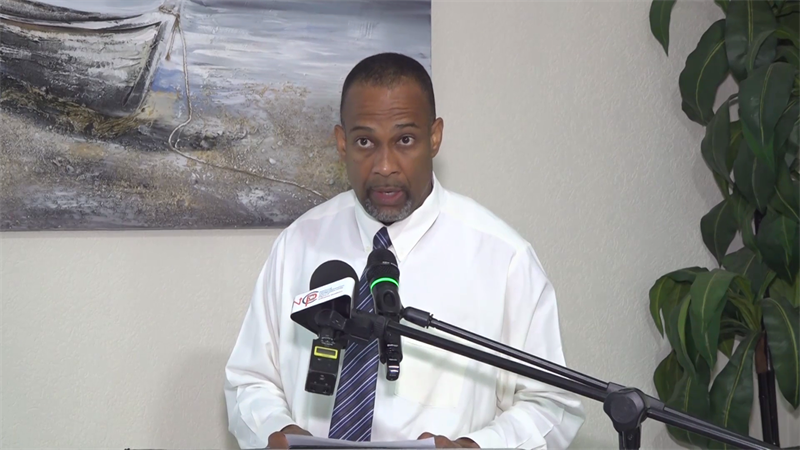
A two-week training program, which commenced on April 13th with technical support from the International Labour Organization (ILO), the OECS Commission, and the World Bank’s Data for Decision Making Project, features participation from statistical professionals both locally and regionally.
According to Mathurin, this transition marks a significant milestone in the modernization of labour force statistics, offering a clearer and more accurate representation of how people work and earn in today’s evolving economy. Sherma Beroo, Project Manager in the Office of the Director General at the OECS Commission, emphasized the importance of the updated harmonized labour force instrument for evidence-based policymaking throughout the region.
The CSO is enhancing workforce data accuracy through several concrete methods:
– Modernized Labour Force Survey (LFS): Updated questionnaires aligned with ILO standards to better capture gig work, remote employment, and informal sector activity.
– Stratified Random Sampling: Ensuring representative coverage across geographic areas, economic sectors, age groups, and gender to reduce bias in employment and unemployment estimates.
– Technical Capacity Building : A dedicated two-week training program for CSO staff and regional statisticians focusing on survey methodology, digital data collection tools, and real-time data validation.
– Integration with Complementary Surveys : Including the 2025 Saint Lucia Household Budget Survey (SLC-HBS) to provide a linked socio-economic context (e.g., income sources, education, skills) that enriches labour force analysis.
– Preliminary Data Release : Promoting transparency with provisional figures and methodological notes to support evidence-based interpretation and encourage stakeholder feedback.
These efforts reflect a broader commitment to aligning national statistics with CARICOM’s Regional Statistics Strategy and the UN’s Fundamental Principles of Official Statistics.