

As stated in Part 1, published in the issue of October 17, 2026, Taiwan’s meteoric rise to success has everything to do with its foundational institutions and the essential work that they do in positioning the country ahead of the rest of the world.
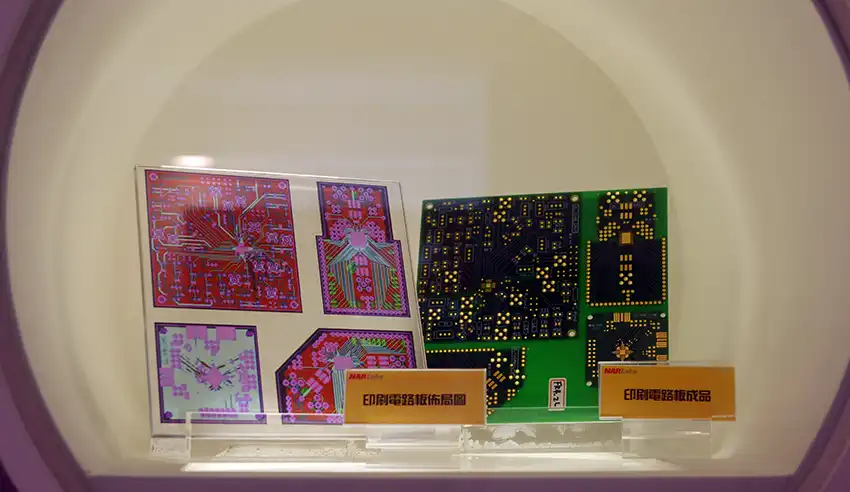
One such institution is the Industrial Technology Research Institute (ITRI), which employs 6766 employees, of which 4478 hold a master’s degree, 1257 are Ph.D. holders and 1022 have completed their bachelors and an alumnus of over 29,000.

With this technology army it is understandable that their reported patents as of April 2026 stood at 34,142.
According to ITRI’s President Dr. Pei-Zen Chang, and in response to future challenges, “ITRI focuses on three strategies: Talent Collaboration, Industrial Transformation and International Partnerships. Through system-oriented R&D, cross-domain technology deployment, and organizational resilience, ITRI drives the digital and green transformation of industries. These strategies operate from the inside out, starting with talent as the foundation, which in turn drives technology adoption across industries and ultimately expands global influence.”
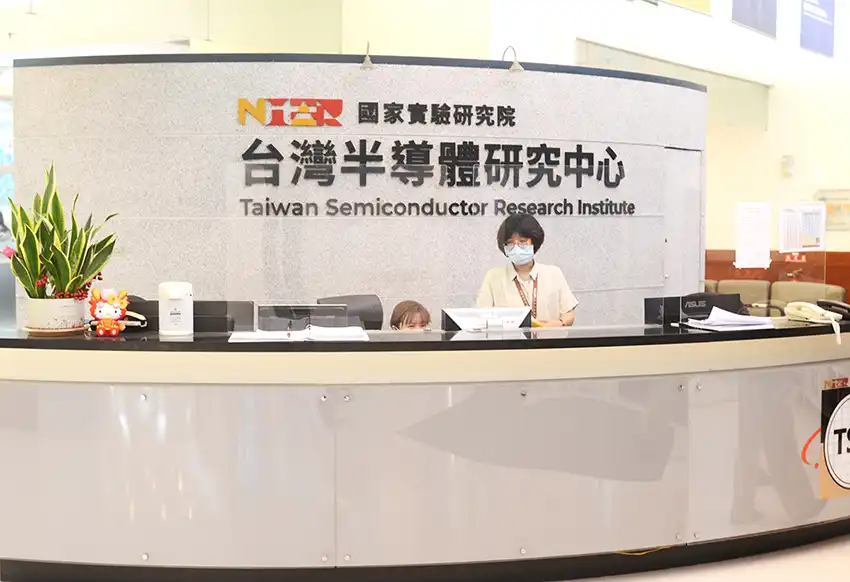
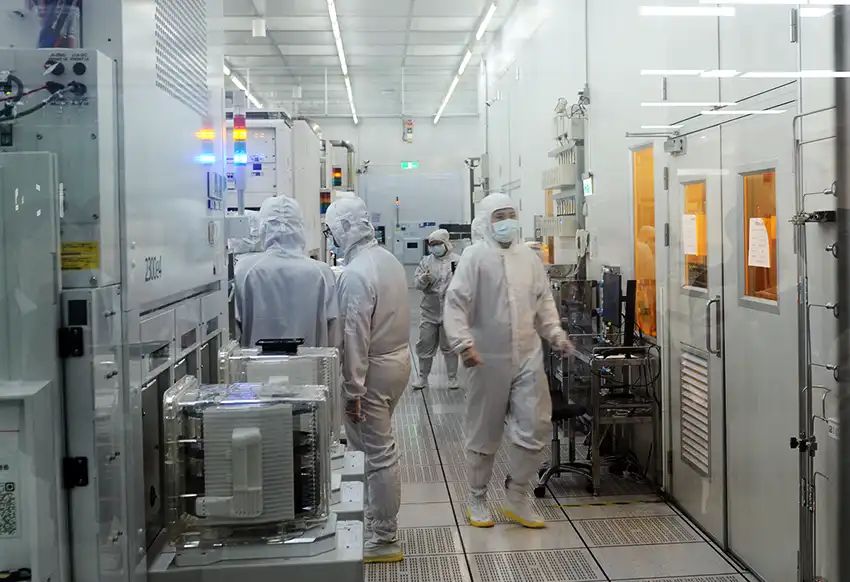
ITRI is closely associated with another critical arm of Taiwan’s technological revolution, that being the Taiwan Semiconductor Research Institute (TSRI) headed by Director General Chien-Nan Liu. Where would the AI world be without Taiwan’s advancements in that field? Taiwan is responsible for the production of 80% of the world’s AI chips and a 90% of the high-end chip utilized in the AI world. That is a major accomplishment for a country that is smaller than 41 of the states in the US and with 60% of its land covered by dense forest. As indicated in part one of this piece, the technological advancement drive is not stagnant and is expected to realize even more improvement in the not-too-distant future, a position that was confirmed by Taiwan President Lai Ching-te in his National Day address on October 10, 2026. “As we speak, the Executive Yuan is celebrating the development of 13 core strategic industries, which include the Five Trusted Industry Sectors of semiconductors, AI, military, security and surveillance, and next-generation communications; as well as the three core technological areas of our 10 new AI infrastructure initiatives, namely silicon photonics, quantum computing and robotics. Last but not least are the key areas of critical minerals, biotechnology and healthcare, building Taiwan into an Asian asset management hub, public infrastructure and urban renewal, the culture and creative industries, and growing tourism into a trillion-NT-dollar industry. This will ensure that Taiwan maintains its competitive edge through the next generation.”
Other institutions that are critical to the Taiwan model include the Straits Exchange Foundation and the Taiwan Institute of Economic Research, the first private independent think tank, whose primary responsibility is to “provide strategic insights and policy consultations to government agencies, business and academic institutions and to help promote Taiwan’s economic and industrial development.”
The Institute for National Defense and Security Research is also key to Taiwan’s global positioning alongside the foreign ministry.
Both institutions agree that there are many contradictions and misconceptions as it relates to Taiwan and its existence, its relationships on the global stage and its ability to function credibly as a democracy.
Some Little-Known Facts.
– It is fact that Taiwan is only 130 KM from mainland China and complains of daily provocation from the PRC but even with that the two countries are not on the brink of military conflict.
-The country is a world leader in the technological stage and the stock marker is reportedly doing exceedingly well.
-There are no American soldiers on the ground in Taiwan and national defence is solely their responsibility which the defence ministry contends they are more than capable of doing.
-Taiwan is actively supported by the United States and Japan, relationships that reportedly continues to develop rapidly.
-After the launching of an office in Phoenix, Arizona, Taiwan now has 14 offices in the United States.
-As it relates to tourism, more Taiwanese nationals visit China than the reverse.
-The US/Taiwan partnership benefits the US immensely in a number of areas.
-Taiwan continues to purchase a considerable amount of agriculture products from the United States making them the number one trading partner as of two years ago.
Culture
The cultural heritage of the country is not of short of artistic wonders. The art and historic locations and artifacts, plus a rich story worth telling makes for interesting observation. The preservation of that history appears to have secured a part of the country’s policy going forward.