


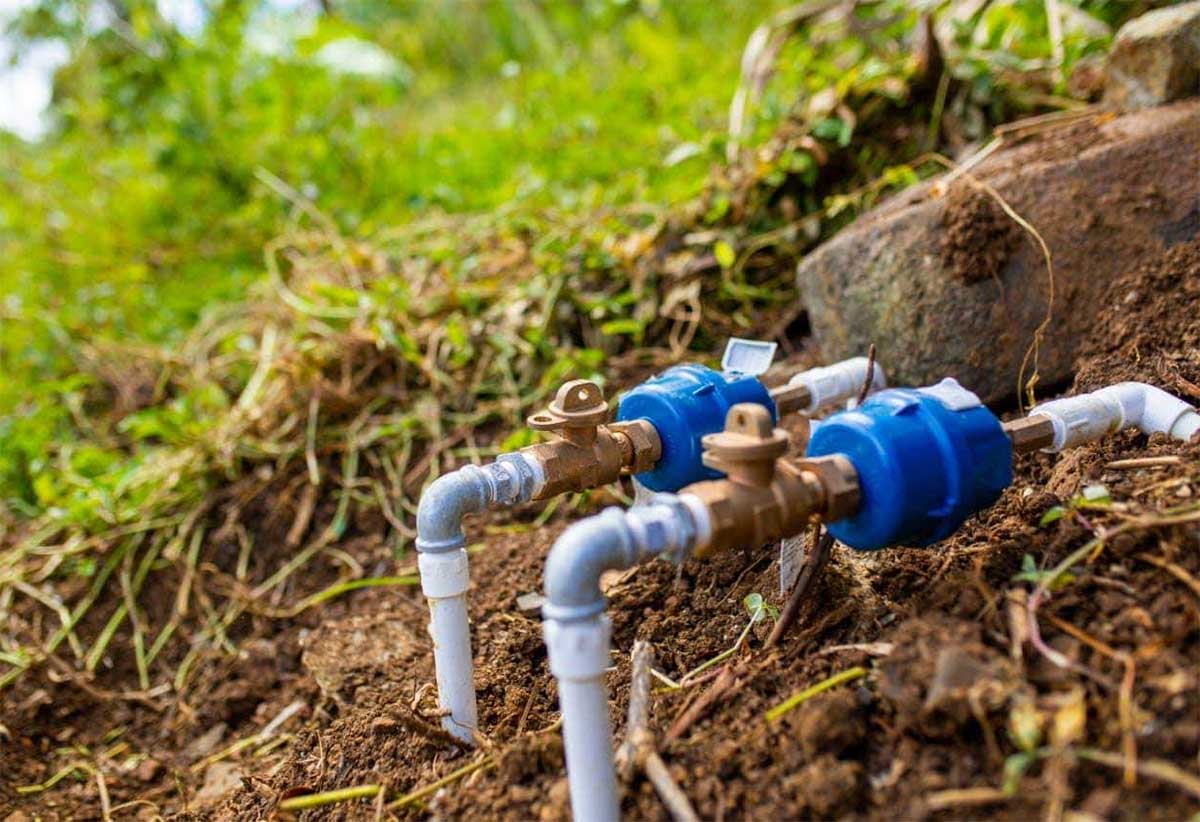
As the dry season progresses, the Ministry of Agriculture, Fisheries, Food Security and Climate Change emphasizes that adequate water storage, efficient distribution, and responsible water use can significantly reduce and in some cases prevent the inconvenience associated with water shortages. The public is therefore encouraged to take proactive steps to safeguard their water supply, including storing as much water as possible and expanding storage capacity where feasible to prepare for prolonged dry conditions.
Saint Lucia is now in the second month of the 2026 Dry Season, a period that often brings increased pressure on the nation’s water supply and daily routines. Reduced rainfall during this time can affect household water availability, agricultural production, and business operations, making responsible water conservation essential for minimizing disruption and safeguarding livelihoods.
The traditional dry season, which extends from December to May, is frequently marked by moderate to severe rainfall deficits. These conditions are increasingly intensified by Saharan dust events, which further reduce moisture levels and heighten the risk of water shortages. Without proactive water management and conservation, prolonged dry conditions may lead to supply interruptions, reduced agricultural yields, and added strain on essential services.
In planning for sufficient water storage, the Ministry advises that careful consideration be given to key factors such as household size or scale of operations, the type and frequency of water use, whether domestic, agricultural, or commercial and the potential for disruptions to the potable water supply, particularly during extended periods of low rainfall.

The Ministry continues to promote Rainwater Harvesting (RWH) as an important supplemental water source to complement the potable water supply provided by WASCO. Rainwater harvesting delivers immediate benefits by capturing rainfall directly after each event, helping to ease pressure on treated water supplies. While December and January typically record the highest rainfall levels within the dry season, rainfall can occur at any time of the year, including during peak dry conditions, making RWH a valuable year-round solution.
Highlighting the importance of preparedness and responsibility of water management, Director of the Water Resources Management Agency, Jason Ernest said that “As weather patterns fluctuate, strengthening water supply resilience requires sustained investment, informed planning, and shared responsibility from all citizens. Water security during the dry season depends on early action and shared responsibility. By increasing storage, harvesting rainfall whenever possible, and using water efficiently, households and businesses can greatly reduce their vulnerability to shortages and help safeguard the country’s limited water resources.”
The public is further encouraged to monitor weekly weather forecasts and to pay close attention to advisories and press releases issued by WASCO, as these updates provide critical guidance for informed and responsible water use.