


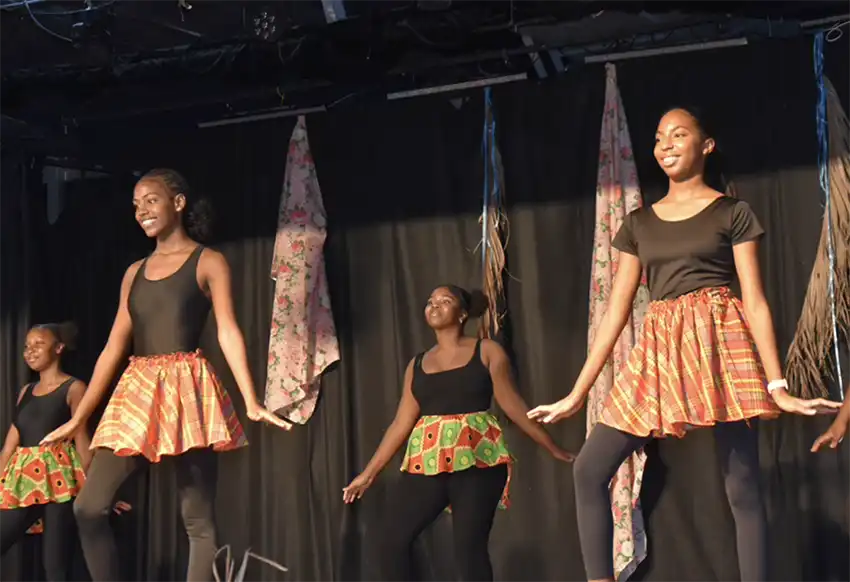
Young Saint Lucians took center stage on Wednesday as the island joined Creole-speaking communities worldwide to mark International Creole Day under the theme “Sélébwasyon Lanng Kwéyòl Pou Jennès” (A Celebration of the Kwéyòl Language for Youth).
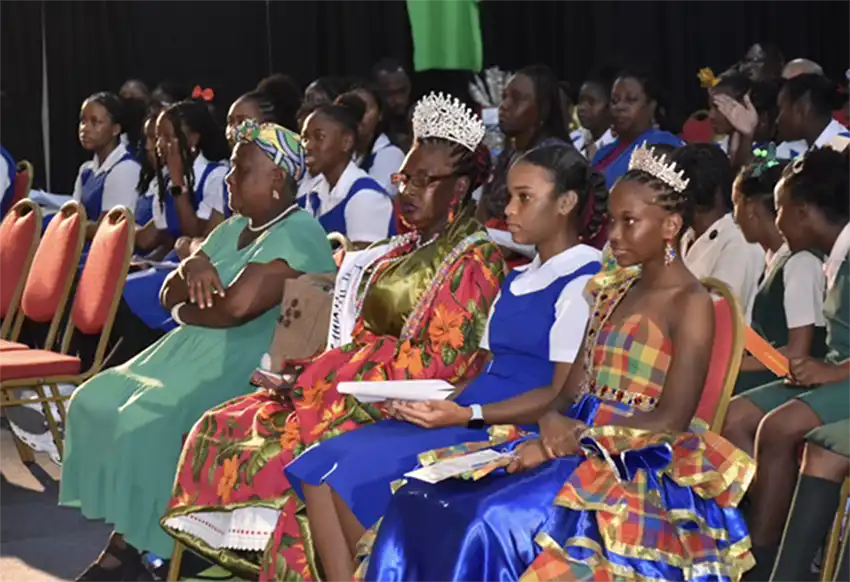
Hosted by the Monsignor Patrick Anthony Folk Research Centre (FRC) in partnership with the government and the Cultural Development Foundation (CDF), the gathering at the Cultural Centre highlighted the critical role that young people play in preserving and promoting the language as an essential part of Saint Lucia’s cultural identity.
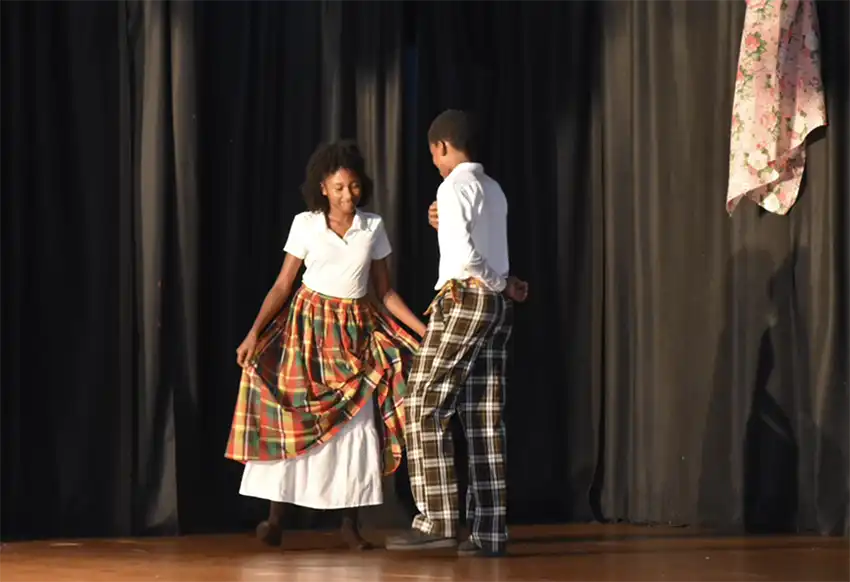
The four-hour showcase brought together primary and secondary school students alongside veteran cultural figures, including Jason “Bachelor” Joseph and George “Fish” Alphonse.
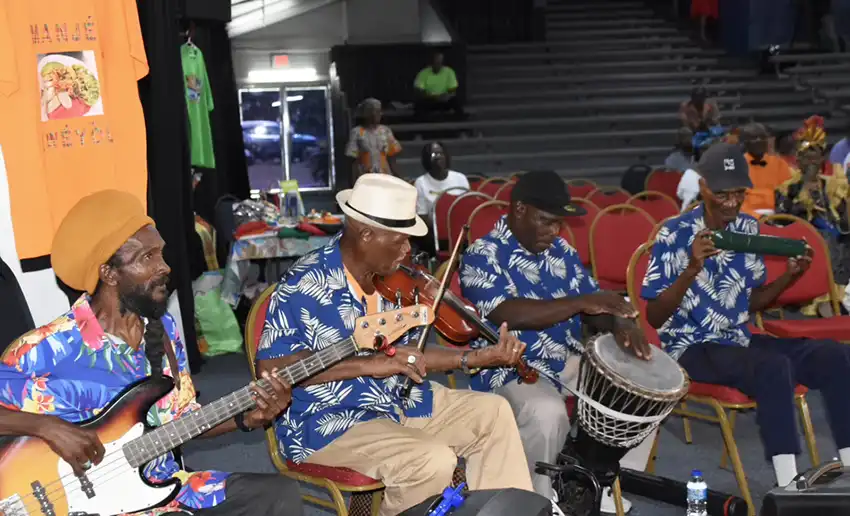
Traditional rhythms resonated throughout the venue with performances by the Silver Shadow Dancers, Manmay La Kay Folk Band and guest groups L’Association Toe Lobie (French Guiana) and Éclats D’Or du Gosier (Guadeloupe).
The event also underscored that preserving Creole requires not only recognising its historical and cultural significance, but also ensuring that it remains relevant, accessible and widely used by younger generations.
“FRC has dedicated this year’s theme to the youth and I believe it’s timely because if you want things to move in Saint Lucia the best place to tap in is at the root, which is our youth,” Executive Director of CDF, Raymona Henry-Wynne, said in an interview with The VOICE on Wednesday. “Once you get the youth involved you raise awareness.”
The objective, she explained, is to foster an environment where Creole is used naturally.
“It’s our identity, it’s our culture and we want the youth to be so sensitized that the language just rolls off their tongue. I think this is what the FRC is trying to do by immersing the youth,” she added.
Wednesday’s showcase also provided students with an opportunity to reflect on their relationship with the language, highlighting both the opportunities and difficulties they encounter in engaging with it.
“All of the productions that happened were in Creole,” Henry-Wynne stated. “It’s important for young people to be taught at the school level to appreciate the language. I think if we are able to put the structures in place and ensure that the language is on the curriculum, a lot of our work would be done and the youth will do the rest.”
However, she cautioned, “If you just leave it to chance and allow it to be organic with no guidance, no training and no development, then of course the language will be lost.”
International Creole Day is observed annually on October 28. As richeskarayib.com (a Caribbean-focused media platform) noted recently, “Behind the date lies a story more beautiful than just another annual event. It began on the radio in Saint Lucia in 1983, the day an island decided to speak Kwéyòl on the air… Radio St. Lucia [opened] its airwaves to Kwéyòl, the Creole language that St. Lucians speak in their daily lives.”
The program went on for hours.
Two years later, Saint Lucia celebrated Creole Day under the theme ‘Kwéyòl, an lang, an pèp, an mòd lavi.’ (‘A language, a people, a way of life.’)
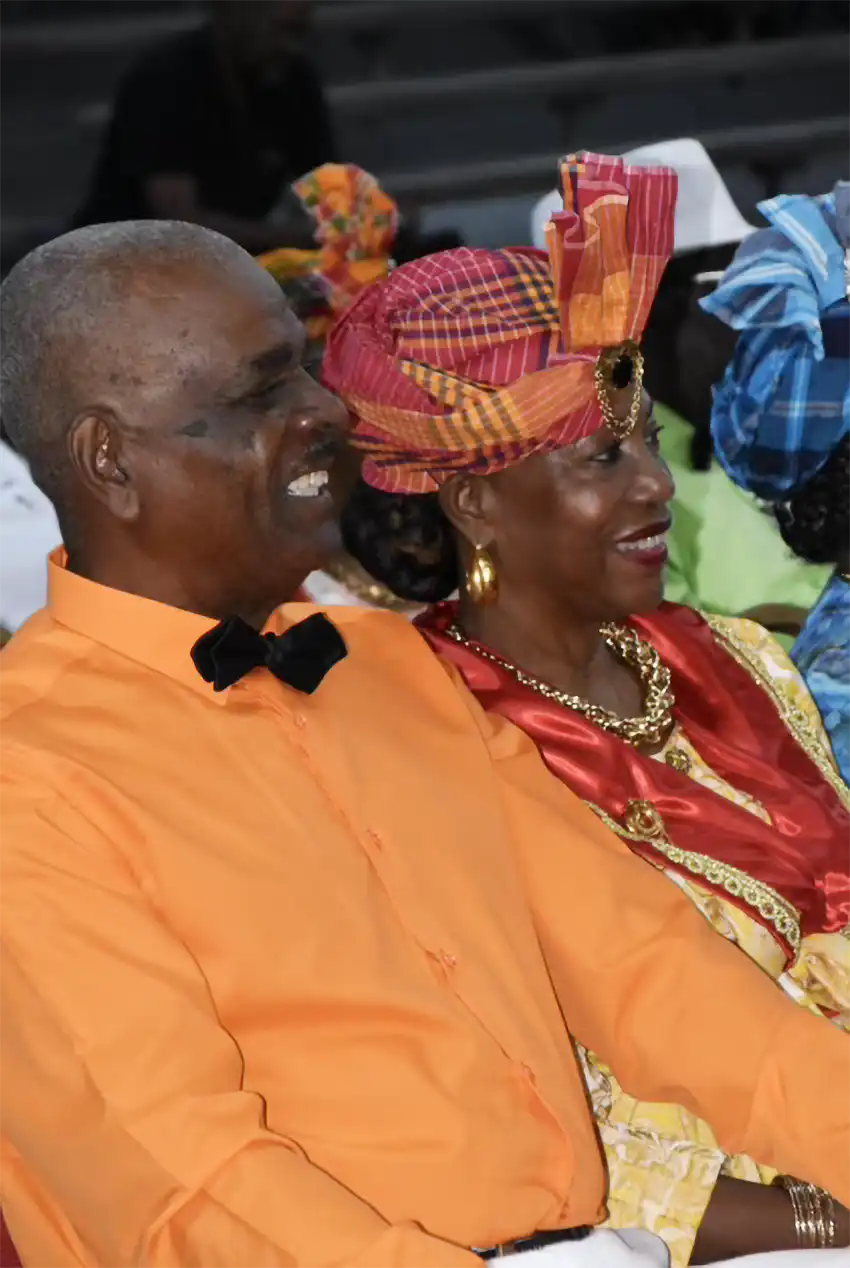
Today, that message remains just as apt. While some individuals shy away from the language, Henry-Wynne says it’s one they should embrace.
“It’s not a vile language. It’s our mother tongue [and] you have to create the platforms where they [young people] can identify and connect with the language. I think if they are able to connect… a lot of the work would have been done,” she added.