


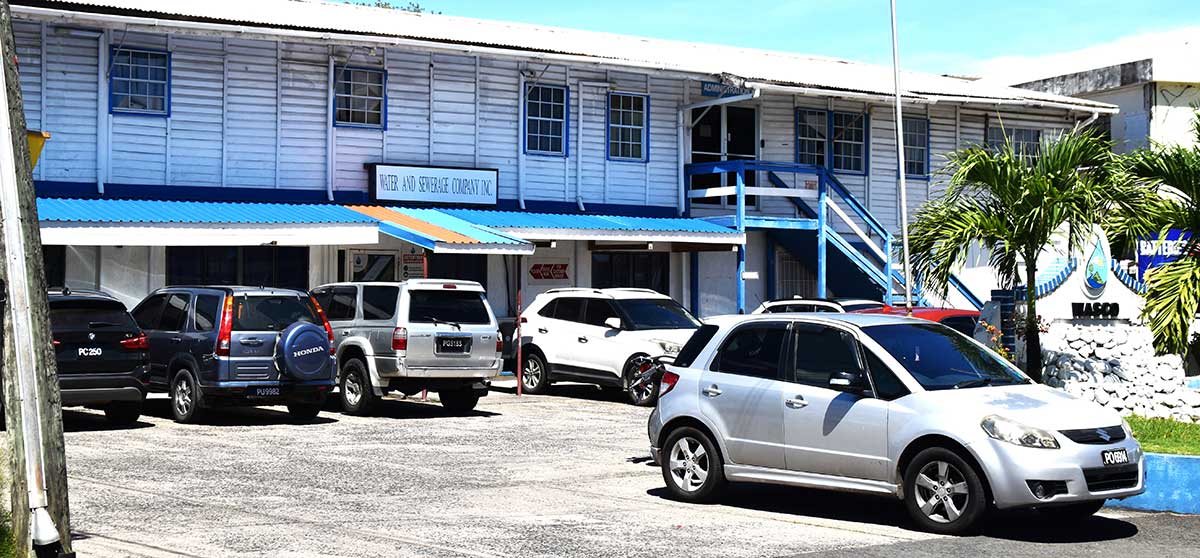
In light of the imminent water issues linked to the approaching dry season and supply shortages, the Saint Lucia Water and Sewerage Company (WASCO) demands that the public prioritize water conservation.
Immediate action is essential to ensure the responsible use of this vital resource.
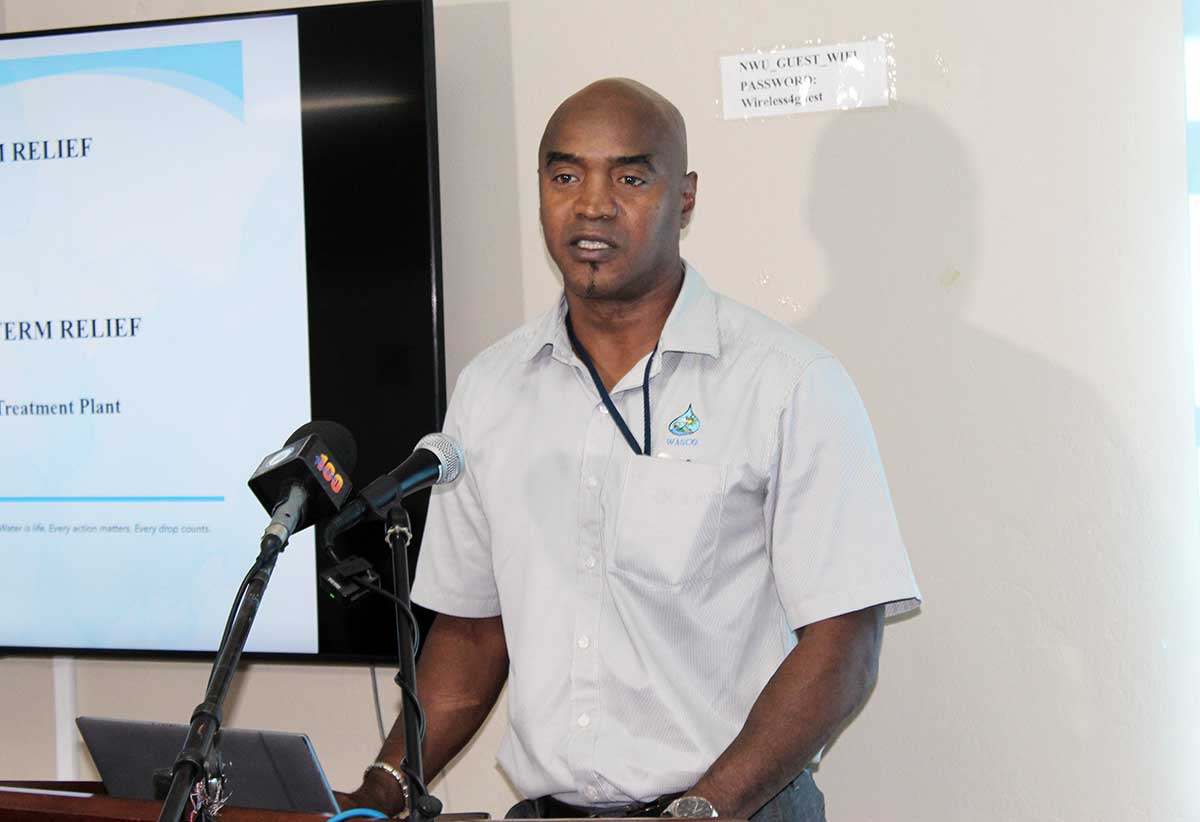
During a joint media briefing on Monday, WASCO officials, along with representatives from the Meteorological Services (Met Office), Water Resource Management Agency (WRMA), and the Ministry of Agriculture, provided a clear update on current water levels and the impact on WASCO’s capacity to extract water.
The briefing included a presentation on immediate mitigation measures such as valving and effective water management strategies, as well as short-term and long-term solutions, including desalination initiatives.
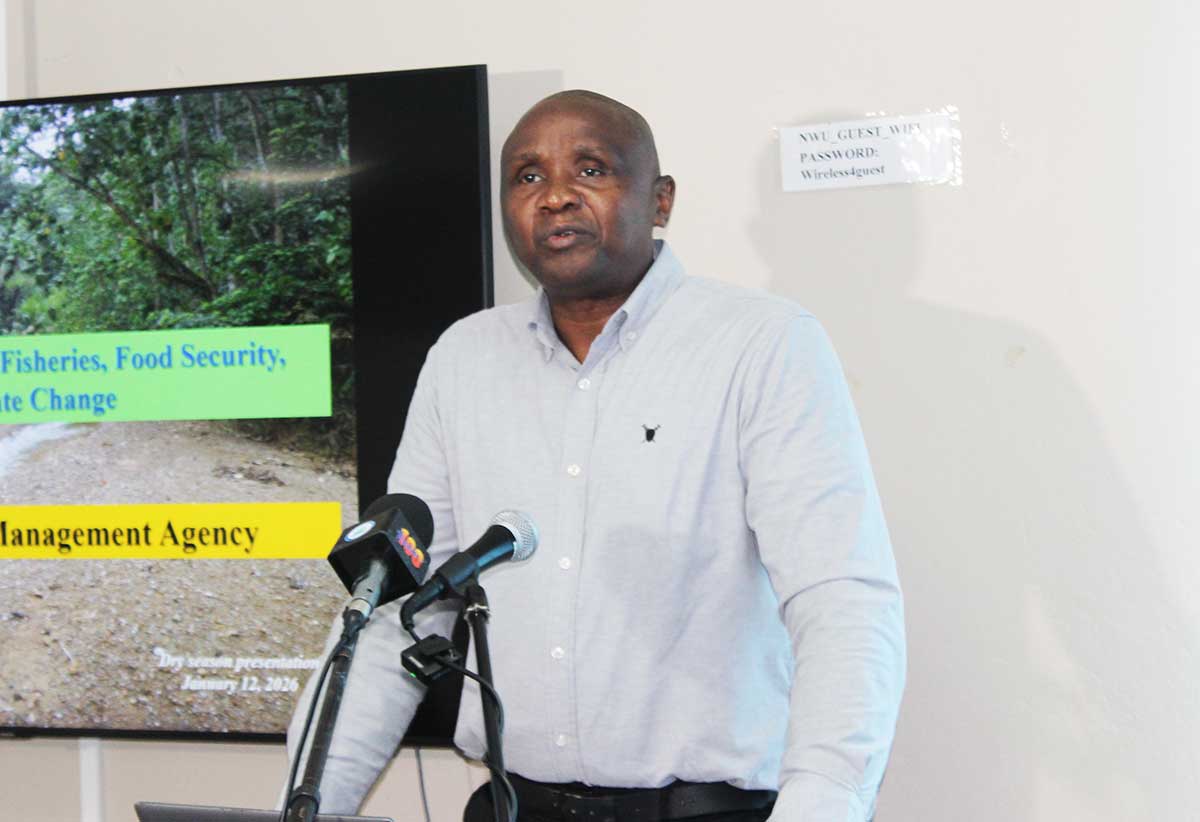
Jason Ernest, WRMA Director within the Ministry of Agriculture, stated unequivocally that the island’s water supplies are inextricably linked to rainfall for managing its limited resources. He acknowledged recent rainfall but stressed the unpredictability of the dry season, which typically lasts from December to May.
“We are dependent on rainfall. WRMA and WASCO do not generate water,” Ernest declared.
He explained, “We manage the water resources in our system, and WASCO relies on that rainfall to produce potable water. We operate within the constraints of what we receive, always looking skyward for rainfall.”
Ernest pointed out that the dry season has already begun to affect water supply levels, with “low flows” becoming increasingly pronounced. He expressed serious concern over dwindling river systems as Saint Lucia approaches the critical March deadline, underscoring the urgency for action from the agency and the ministry.
Furthermore, he emphasized the necessity of suitable soil conditions for rainfall infiltration, saying that rainwater harvesting is crucial for effective water storage. The Ministry is advocating for the public to adopt rainwater harvesting practices and enhance water storage capabilities.
Additionally, a collaborative agenda is in place, involving weekly reviews with WASCO and other key agencies to address water-related issues rigorously.
Kalic Vidal, WASCO’s Production Treatment and Quality Manager, reported that there have been “slight differences” in supply levels at the John Compton Dam between 2024 and the present. He highlighted a noticeable drop in production across all facilities during the dry season, leading to a 10% reduction in the northern system, translating to approximately 16 million gallons of water.
In the southern system, a 10-15% decrease has been observed. “This decline will exert new pressures, leading to more service interruptions throughout the dry season,” he warned.
Ally Anthony, WASCO’s CEO, reinforced the commitment to manage water resources effectively, ensuring that residents receive an adequate supply. He emphasized that desalination must be a key component of mitigation measures to guarantee a reliable water supply, even during dry spells.
Planned upgrades include:
– Installation of the Northern Pipeline
– Development of raw water pipelines
– Encouragement for consumers to actively conserve water
Vigil Saltibus from the MET Office reiterated the necessity for the public to adhere to basic water conservation principles in light of the impending dry season:
– Repair household leaks without delay
– Avoid non-essential water usage, such as power washing with a garden hose
– Utilize rainwater harvesting systems to supplement the central supply
– Exercise extreme caution to prevent bushfires
In conclusion, Saltibus stated: “Persistent dry and warmer-than-normal conditions will dominate the 2026 dry season. Coordinated water management and active public cooperation are essential to mitigating the socioeconomic impacts.”
She warned that the country is facing a potentially extreme dry season and stressed the need for maximum water conservation.
Saltibus said: “As we approach the peak of the dry season, we will continuously monitor conditions through our weather stations at Hewanorra International Airport and George FL Charles Airport, keeping the public informed.”