


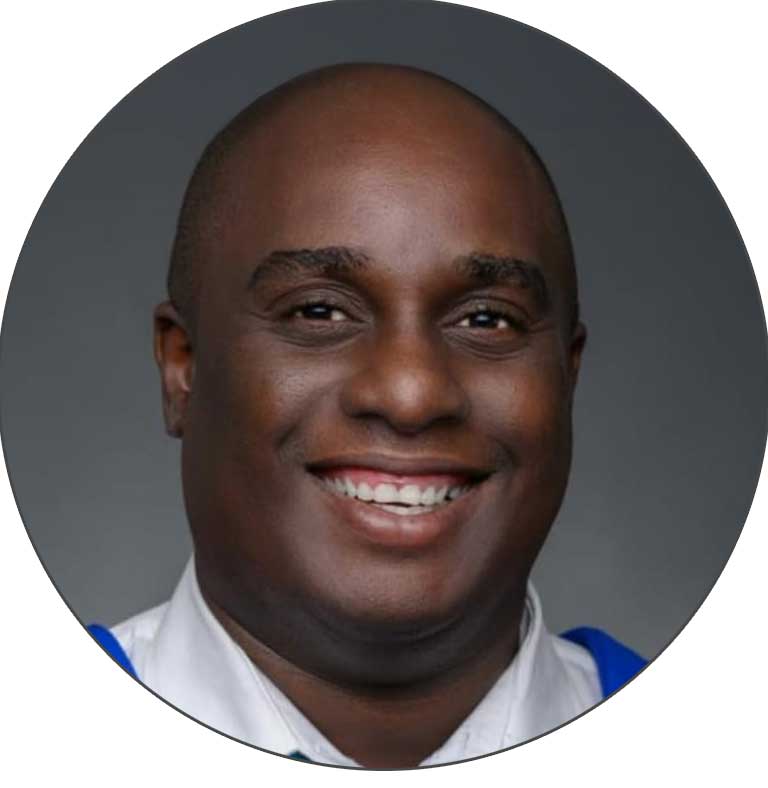
Health is wealth has always been a mantra I keep close in mind. Despite my seeming inclination to ignore it in pursuit of my own vices and flings of fancy. As a young child, teenager and young adult I often spent many nights visiting the Soufriere Hospital due to attacks of bronchitis and asthma and I am intimately aware of how perilous health can be.
Over the last year I have noticed an increase in what appears to be the Gofundme-fication of our health care. My Facebook, Whatsapp feeds have been littered with dances, BBQs and other calls for donations for citizens in need. One of them was shocking. The sister of an SCSS classmate I used to ditch CXC French classes with, sorry mom, was ill. As a teen and even as an adult it was difficult for me to make her out from her twin sister, now sadly it has become painfully obvious who is whom.
I have often wondered why this is so, with UHC being bandied about for so long and such a necessary thing and with medical insurance now almost as essential as a lung why is it that we have to go to such routes to live a semi comfortable life. Many have called for the introduction of the $75,000 insurance proposed by the UWP, but even if sourced by part payments via NIC, individual deductions and government payments the question still remains. Can that amount help sustain chemo or other experimental treatments over the life cycle of an individual. And we further ended to ascertain why our loved ones need constant evacuation to Martinique or Miami to warrant a chance?
But are these things necessarily bad? Should we not depend on the community to survive? Have we not decided that one of the flaws of modern society is a lack of sustainable community? True but the Gofundme-fication of our healthcare has turned illness into performance at times. Persons are forced to reveal their private intimate battles with illness and post behind the scenes photos of their suffering and dignify to the public why they need help. They need to prove their worth to others to ensure they are taken care of.
There is also the moral question of who gets help. Who determines what Gofundme or other request we support. Do we choose only the persons that we know or those who have public facing profiles compared to others. In the case of a young child or teen versus that of a middle-aged adult, who should get our money? Is the younger person more worthy due to presumably having more life? Is the story more appealing, a Harvard graduate on the brink of a post doc, the only child of 12 on the brink of college or do we give it to the person who has lived a life without much note when it compares to others. We know that likeability often plays a role in the media, particularly the social realm, where persons gravitate to bigger more bombastic voices.
These metrics whilst valuable are often not the best in deciding who gets the help. In a just society none of these barriers should exist.
Inequality often spirals because most people with money can avoid the ins and outs of going to Go fund me to receive care. They can scribe better pleas and network wider and more intensely than other persons who lack the socio-economic heft that they wield effortlessly.
The government, especially with the advances being made to commission St. Jude and build and make operational the fifth finger of OKEU is well poised to make sure that these incidents are narrowed. We know that even many metropolitan countries experience similar issues but moving beyond such limitations is a key aspect of getting our health care thriving and functional. But until it is done let’s continue supporting persons like Colleen John and their families.