


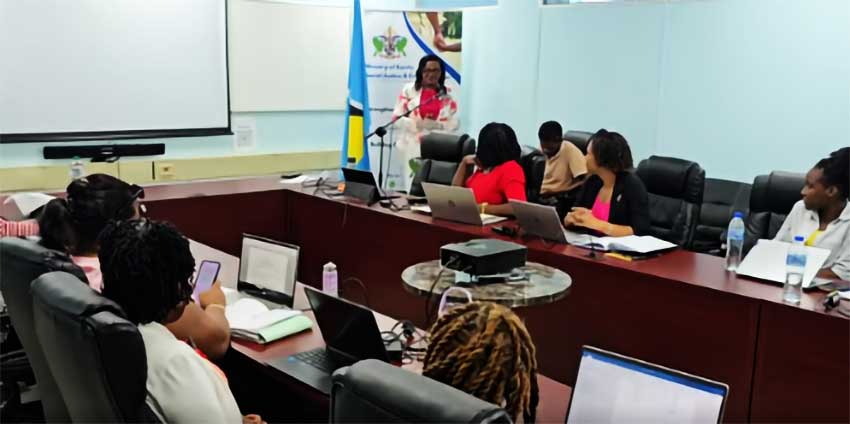
In a move to enhance the efficiency and transparency of its social protection programmes, the Ministry of Equity, Social Justice, and Empowerment has undertaken a comprehensive review of key beneficiary databases. This initiative aims to improve data integrity and ensure the effective allocation of aid under the Public Assistance Program (PAP).
As part of this effort, data analyst De Andre Albert has been fine-tuning the SL NET database, the 2023 PAP Re-certification records, and the total PAP beneficiary Transfer & Payment list (March 2023- December 2024). All PAP data undergoes an annual audit by the Human Capital Resilience Project (HCRP). This audit has repeatedly cited errors with the data and duplication of records. The work done by Mr. Alber since November 2024 allows for correcting these issues moving forward.
The recently concluded Public Assistance Programme Data Management Workshop was a key milestone in advancing data governance and strengthening the Ministry’s social protection framework.

Technical Coordinator Juliana Daniel-Foster underscored the importance of the initiative, particularly in ensuring the accuracy of beneficiary data, which directly impacts financial reimbursements from the World Bank.
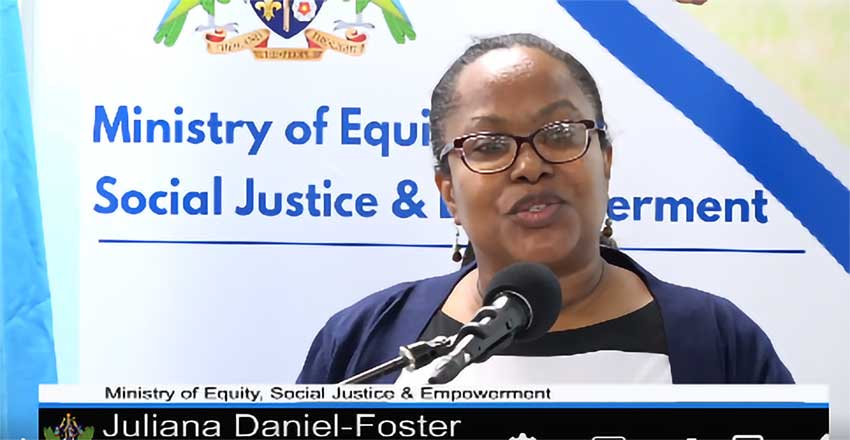
“When the beneficiary list is audited, the government receives reimbursement from the World Bank for payments made to public assistance recipients. However, an ongoing challenge has been the inclusion of ineligible individuals—those with a welfare score above 79, classified as non-poor. These cases, referred to as Welfare Group Three recipients, do not qualify for reimbursement. The audit process has also faced verification challenges due to data inconsistencies. This year, we made a concerted effort to enhance the quality of data provided to auditors, ensuring greater accuracy and accountability,” Daniel-Foster said.
The improvement in the quality of the data will allow the Ministry of Equity to move towards the development of a data information system, which will house beneficiary data for ease of reference. Permanent Secretary Dr. Charmaine Hippolyte Emmanuel emphasised the long-term benefits of a more structured and accessible data system.
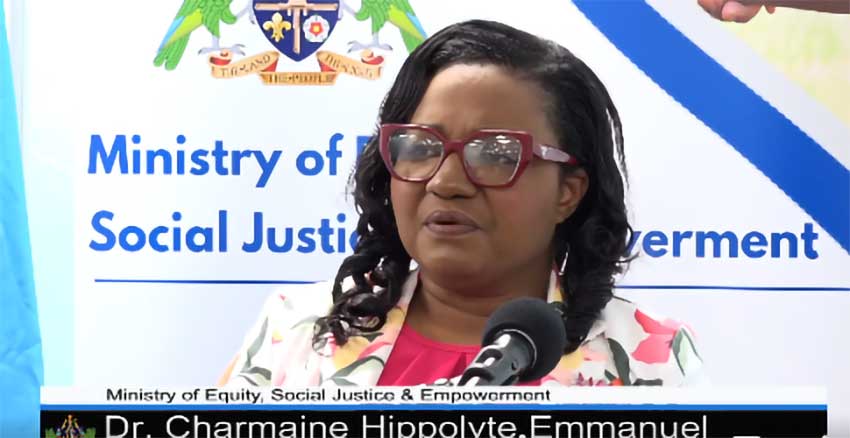
According to her, “This initiative is about creating a well-organized and empirical data repository—our ‘library’ of information. The Social Protection Information System (SPIS) will enable better tracking of beneficiaries and services provided, fostering transparency and efficiency. In the future, stakeholders will be able to retrieve comprehensive data at the click of a button, facilitating improved service delivery and inter-agency collaboration. Our goal is not just to collect data but to establish a system that informs decision-making and enhances the impact of our programmes.”
The second session, held at the Pastoral Center, and grouping representatives from the Ministries of Health and Education, examined the inner workings of the SL NET 3.0, how to calculate welfare eligibility scores and what to look for when collecting and cleaning data. This tool, mandated by Cabinet since 2019, is being used by the Ministry of Equity and the SSDF. The aim is to expand its use to other programmes in 2025.
The Ministry of Equity is moving to strengthen collaboration across the Social Protection Systems by ensuring that data on social services are shared and accessible by case workers and policy makers alike.