


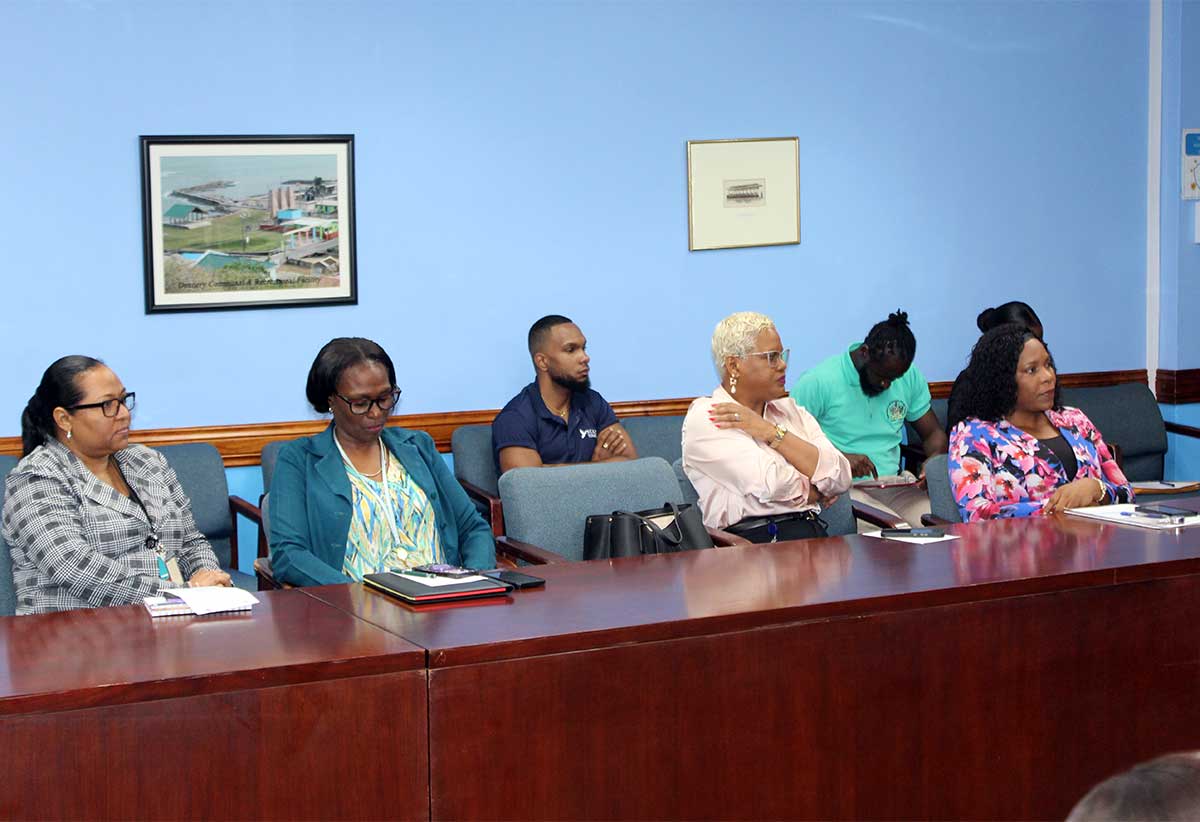
Saint Lucia is set to lead the way in the region as it takes decisive action to enhance its national resilience, support sustainable development, and improve coordination among key stakeholders in the hydro-meteorological sector.
During a media launch on Thursday, the Department of Infrastructure, Ports and Transport (DIPT) officially announced the National Hydro-Meteorological Policy.
This initiative will significantly bolster Saint Lucia’s capacity to effectively manage and respond to weather, climate, and water-related challenges.
Minister for Infrastructure Stephenson King highlighted the indispensable contributions of several key stakeholders and partners in crafting this critical regulatory agenda.
“We are not simply following international examples; we are trailblazers, setting the standard for others to emulate,” he asserted.
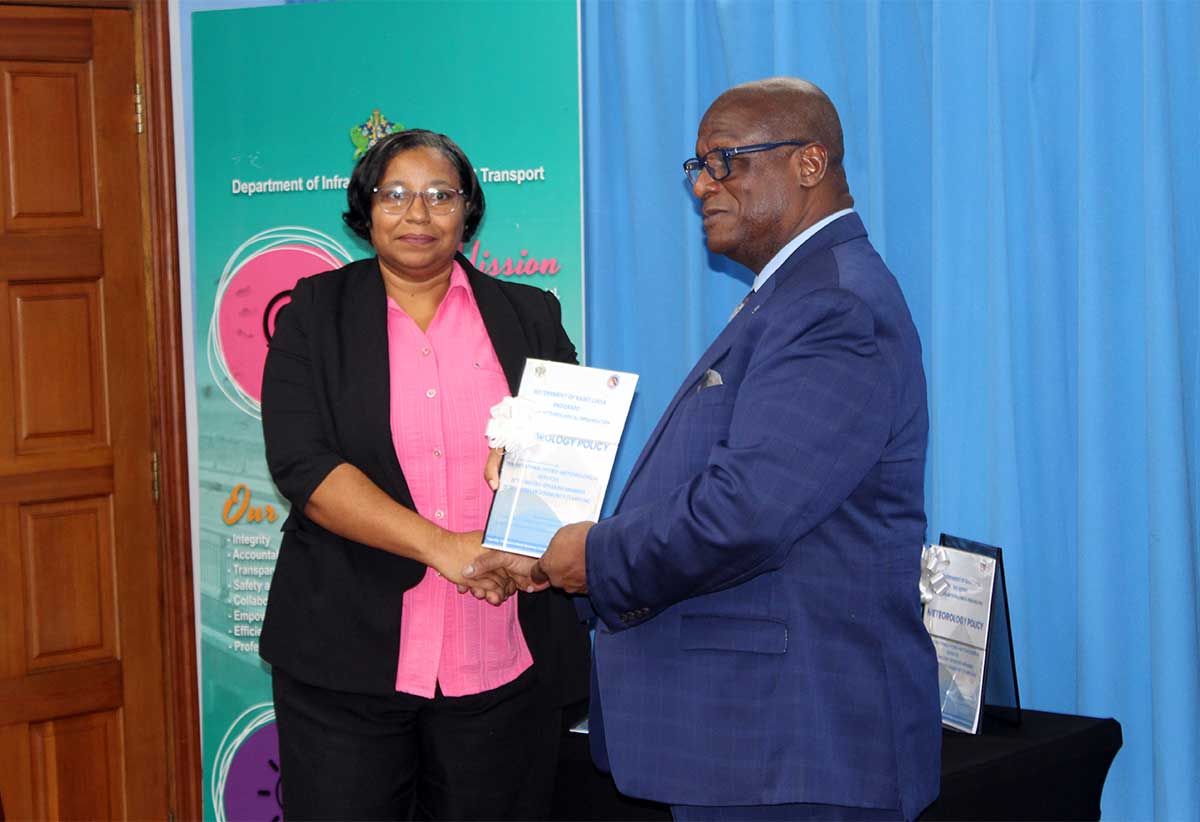
Minister King stressed the importance of maintaining momentum for this project “beyond the walls of this conference room.”
He emphasized, “This policy clearly signifies a crucial step towards our shared mission: delivering reliable weather, climate, and water-related early warning services. Furthermore, it integrates meteorology into development planning and policy formulation essential for socioeconomic advancement, a fact we must not overlook.”
He confirmed that the National Hydro-Meteorological Policy (NHMP) was strategically formulated “to enhance meteorological and early warning services for the people of Saint Lucia and to support the country’s socioeconomic development.”
Minister King identified seven priority areas outlined in the policy: monitoring and forecasting weather and climate; early warning services for hydro-meteorological hazards; climate services; management of meteorological data and information; meteorological infrastructure; capacity building and awareness; and cross-cutting issues.
The Minister indicated that Saint Lucia faces significant risks from weather, climate, hydro-meteorological, and marine hazards, including heavy rain, tropical storms and hurricanes, floods, landslides, drought, excessive heat, hazardous seas, high concentrations of Sahara Dust, and volcanic activity.
“As such,” the minister asserted, “The country’s medium to long-term development strategies recognize a critical overarching priority: building resilience and addressing the impacts of climate change across all sectors, while integrating proactive planning into national strategies.” The Minister emphasized that the NHMP will empower the department “to enhance weather and climate monitoring and prediction systems, as well as information and knowledge-management systems, serving as a cornerstone of the government’s climate change engagement strategy.”
In this context, he stated that Saint Lucia has developed various policies and frameworks related to climate change “that provide essential policy guidelines at a broad and long-term scale.”
These include the Adaptation Plan, the Sectoral Adaptation Strategy and Action Plan, and the 2015 Climate Change Adaptation Policy, “all of which highlight the importance of growth and development within the meteorological sector.”
Consequently, King added, “These policies, while effective at a higher level, leave limited room for localized weather and climate action and services regarding community-level issues.”
Dr. Arlene Lang, Coordinating Director of the Caribbean Meteorological Organisation (CMO), characterized this project as a landmark achievement for the sub-region. She underscored the importance of food security, energy, social and economic growth, public health enhancement, and resilience-building as fundamental objectives to be prioritized by future governments.
Dr. Lang asserted, “Addressing these matters requires a National Meteorological Service equipped with the necessary scientific, meteorological, and human resources to monitor, focus, and issue warnings about severe weather and extreme climate events, while also delivering high-quality services.”
To this end, she stated that the government of Saint Lucia is taking “decisive, concrete action to strengthen its national meteorological services, backed by a legal framework that is critical to the safety, well-being, and economic development of the nation.”
Dr. Lang noted that each day, the Met Services play a vital role in sectors such as aviation, marine transportation, water resource management, public health, renewable energy, and tourism, which is a key element of Saint Lucia’s economy.
Vigil Saltibus, Director of the Meteorological Services (Saint Lucia), emphasized that the formulation of this policy required a collaborative effort from key stakeholders and partner agencies.
“The journey towards this achievement reflects our foresight, wisdom, and unwavering commitment of all involved in reaching this milestone moment,” she declared.
The Met Services Director firmly asserted that the policy marks a significant advancement for Saint Lucia’s progress in the hydro-meteorological sector.