


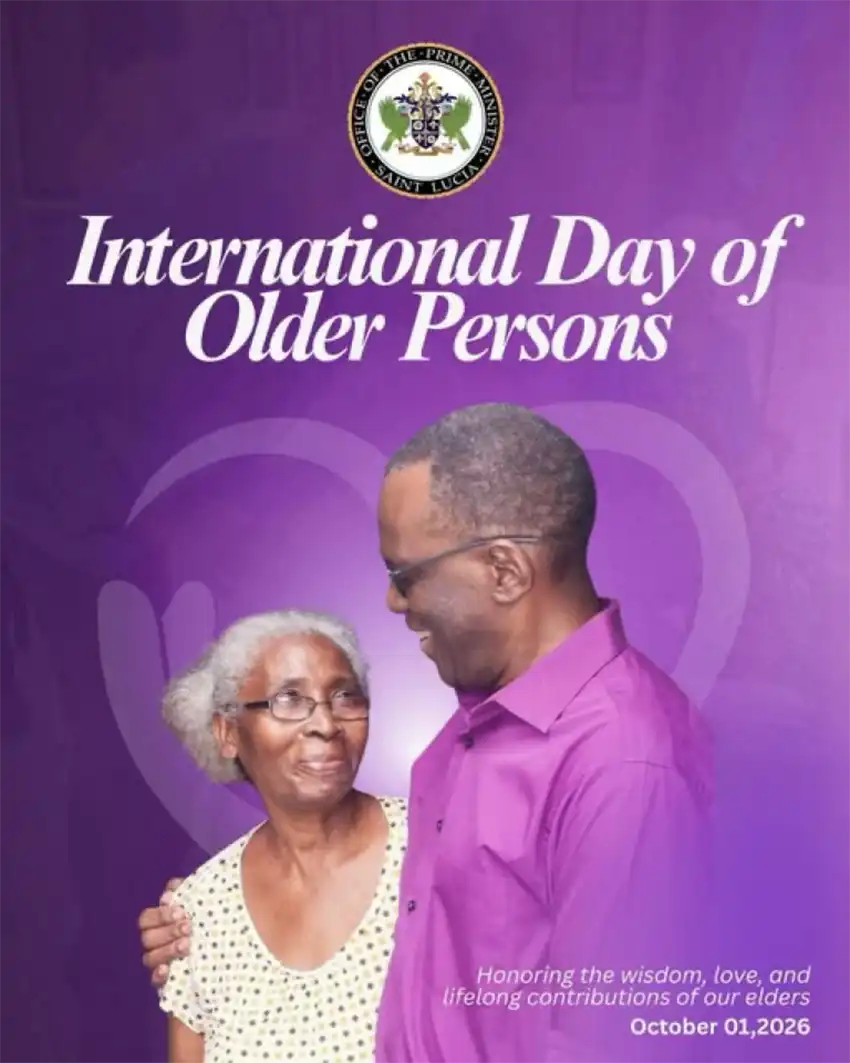
The United Nations International Day of Older Persons is marked annually on October 1.
The theme for 2026 is “The Age of Longevity: Rethinking Systems for Longer Lives.”
Key Details for 2026
- Focus: This year’s theme emphasizes the need to adapt global health, social protection, and long-term care systems to accommodate longer and healthier lives.
- Background: Established by the United Nations General Assembly in December 1990 (Resolution 45/106), this day recognizes the contributions of older individuals while addressing the challenges posed by aging populations.
In acknowledgment of this significant occasion, Prime Minister Philip J Pierre expressed in an online post: “Our elders are the foundation of our families, the keepers of our traditions, and the builders of the Saint Lucia we cherish today. Their sacrifices, wisdom, and unwavering love have shaped generations. They deserve to age with dignity, security, and the assurance that they will always be valued and cared for.”
PM Pierre highlighted ongoing government initiatives in support of older persons, including:
- Home Care Programme for Older Persons, with expanded weekend services
- Golden 80 Plus Health Package
- Public Assistance Programme (PAP)
- Pension increases
- Support for residential homes for the elderly
- Housing assistance for vulnerable seniors
- Training in dementia and Alzheimer’s care
He further stated, “Caring for those who cared for us is not just a responsibility; it is a promise we must keep. Happy International Day of Older Persons!”
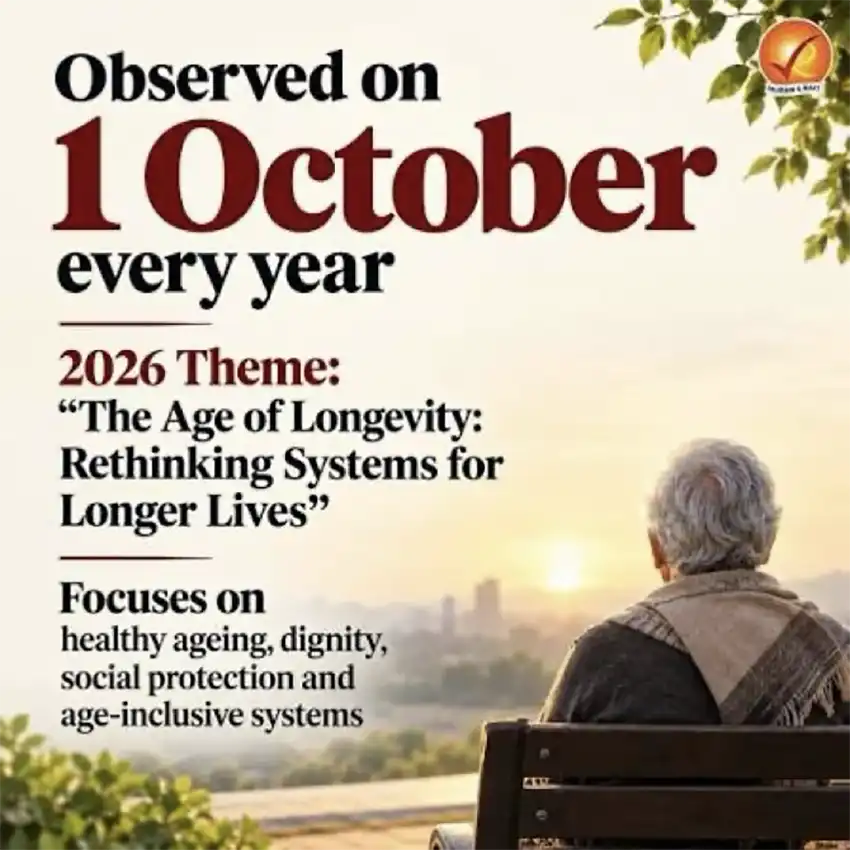
The 2026 observance of the International Day of Older Persons calls upon governments, civil society, the private sector, researchers, and older individuals themselves to explore how societies can ensure that the additional years gained translate into healthy, productive, dignified, and equitable lives for all.
As humanity enjoys longer lifespans, global life expectancy has steadily increased over the past seven decades.
However, the gap between life expectancy and healthy life expectancy reached 9.6 years in 2019, highlighting the growing burden of noncommunicable diseases. The call for attention to health, social, economic conditions, and human rights across the life course has never been more urgent.
Longevity intersects with health systems, labor markets, social protection, education, housing, and fiscal sustainability in complex ways.
Ensuring that years are lived in good health, supported by inclusive labor markets and effective social protection, can yield a “longevity dividend.”
In contrast, without improvements in healthy life expectancy, older persons may face longer periods of poor health, diminishing their functional ability, well-being, autonomy, and participation in society. The Madrid International Plan of Action on Ageing (MIPAA), adopted in 2002, remains a pivotal element in international efforts.
This year’s observance encourages all stakeholders to consider how societies can convert additional years into healthy, productive, dignified, and equitable lives for all.
“Our elders are leaders and caregivers, playing a vital role in families, communities, and economies,” declared UN Secretary-General António Guterres.