


Saint Lucia is making significant strides in enhancing its position within the emerging Blue Economy, which is creating sustainable livelihoods for communities worldwide.
The recent conclusion of the BE-CLME+ Micronesia Challenge Twinning Initiative underscores Saint Lucia’s commitment to a people-centered Blue Economy.
It strengthens regional cooperation, fosters shared learning, and promotes practical solutions for fisheries management, food security, and climate resilience.
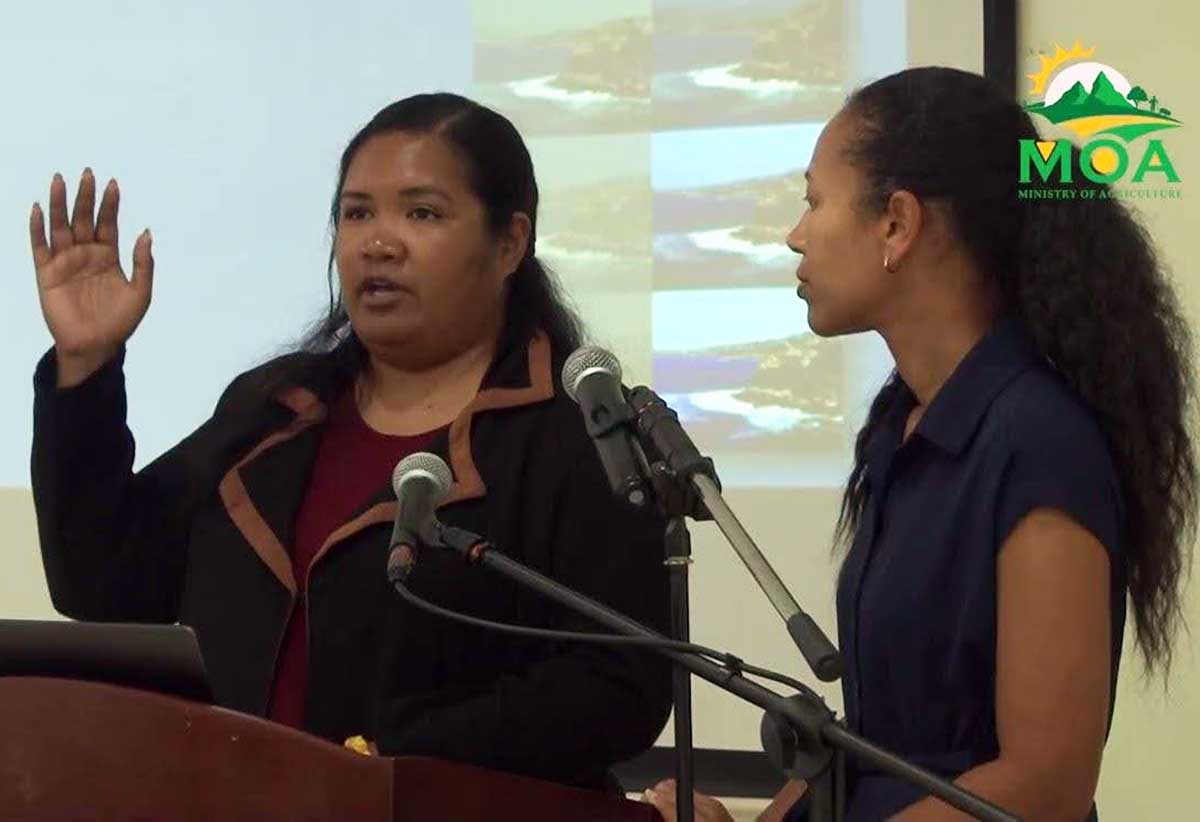
This initiative brought together regional and international partners to exchange best practices in ocean governance, community-based fisheries management, and climate adaptation, particularly essential for Small Island Developing States facing increasing climate risks.
During the week-long engagement, participants witnessed how Saint Lucia’s Blue Economy agenda is linked to livelihoods, affordable protein accessibility, and national development. They also learned from Micronesia’s customary tenure systems and their longstanding community stewardship of marine resources.
The twinning initiative aligns with Saint Lucia’s national Blue Economy priorities, focusing on enhancing institutional capacity, promoting ecosystem-based management, and fostering trans-boundary cooperation.
Thomas Nelson, Deputy Chief Forestry Officer, remarked, “The value of this exchange cannot be overstated.”
He emphasized that learning from the experiences of other regions, particularly those involved in the Micronesia Challenge, enriches Saint Lucia’s efforts and reinforces the necessity of collective action to address shared challenges. These challenges often relate to ocean governance, food security, and climate change.
Participants also highlighted the vital role of community authority and traditional governance in achieving sustainable management.
One participant shared, “Although we have adapted to a more westernized system, we still retain our traditional customs; we have our chiefs, and we know our heritage.”
They expressed an awareness of community hierarchical structures and the importance of respecting boundaries and authorities among different community members.
A significant takeaway from the initiative was the need for deeper community engagement during the early stages of project design.
Another participant noted, “Many projects are designed before community input is sought, leaving limited room for genuine buy-in. It would be more effective to engage the community first and then fine-tune proposals based on their insights.”
Overall, the twinning initiative reflects a robust commitment to advancing Saint Lucia’s national Blue Economy priorities and enhancing collaborative efforts toward sustainable development.
This collaboration strengthens regional resilience, fosters knowledge exchange, and ensures equitable benefits from ocean resources. Saint Lucia’s participation reflects a strategic move toward inclusive, science-driven ocean governance.
The major ways the BE-CLME+ Micronesia Challenge Twinning Initiative benefits local communities in Saint Lucia:
Enhanced livelihoods and income diversification
– Support for sustainable fisheries and eco-tourism that create jobs and business opportunities for local fishers, guides, and small entrepreneurs.
– Promotion of value-added products (e.g., seafood, artisan crafts) tied to healthy ecosystems.
Improved food security and resilience
– Protection of key coastal and marine habitats helps sustain fish stocks and buffer communities against extreme weather.
– Training and resources enable communities to participate in sustainable harvests and climate adaptation planning.
Stronger community participation and governance
– Capacity-building for local institutions and communities in ecosystem-based management, planning, and decision-making.
– Inclusive platforms for stakeholder engagement, ensuring voices from fishing, tourism, and indigenous or local communities are heard.
Knowledge transfer and capacity-building
– Exchange of best practices with Micronesia and regional partners, including monitoring, data collection, and enforcement of conservation measures.
– Technical training in habitat restoration, marine protected area management, and sustainable tourism development.
Improved natural capital and ecosystem services
– Healthy reefs, mangroves, and sea-grass beds support coastal protection, tourism appeal, and fish nurseries.
– Ecosystem-based approaches help maintain water quality, biodiversity, and cultural values tied to the sea.
Social equity and inclusive benefits
– Efforts to ensure benefits from conservation and blue economy initiatives reach marginalized or vulnerable groups, including small-scale fishers and rural coastal communities.
– Gender-inclusive programs and capacity-building to expand participation across community members.
Climate and disaster risk reduction
– Protected and restored habitats can reduce wave energy, shoreline erosion, and flood risk.
– Local communities gain access to early-warning systems, disaster planning, and resilient infrastructure guidance.
[R.A].