


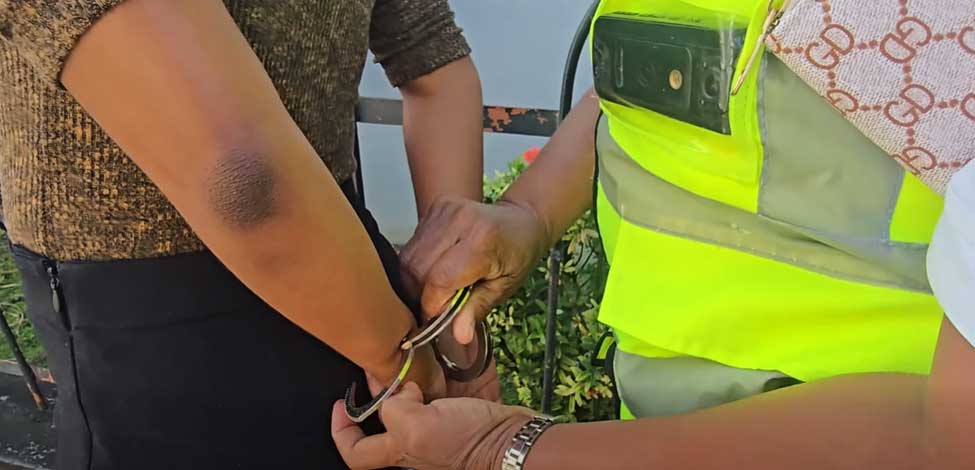
Saint Lucia’s capacity to respond effectively to domestic and gender-based violence (GBV) has been significantly enhanced following the completion of specialized training for law enforcement officers in the implementation of the Domestic Violence Act and Gender-responsive Policing.
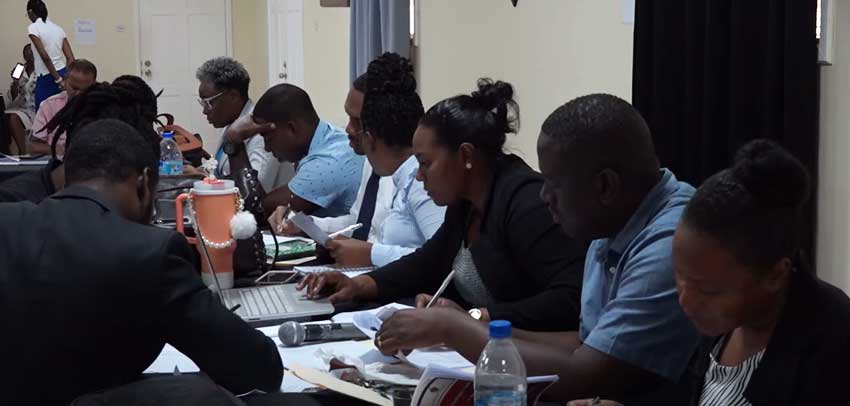
The five-day training programme, conducted from January 26–30, concluded with a closing ceremony at the National Skills Development Centre in Bisee. Twenty-six officers of the Royal Saint Lucia Police Force (RSLPF) successfully completed the training, which focused on survivor-centred responses, professional conduct, evidence management, inter-agency coordination, and accountability under the law.
Director of the Family Court, Fiona Charlery, underscored the critical role of police officers as the gateway to justice and protection for victims of domestic violence. “As police officers, you are often the first point of contact for victims of domestic violence, and your response can make the difference between fear and safety, silence and justice. The effective implementation of the Domestic Violence Act requires more than legislation—it requires understanding, empathy, sound judgement and collaboration among all stakeholders. Gender-responsive policing is not an added responsibility; it is central to fairness, protection and respect for the rights of all,” noted Charlery.
Permanent Secretary in the Ministry of Equity, Labour, Gender, Elderly Affairs, Social Justice and Consumer Affairs, Dr Charmaine Hippolyte Emmanuel, highlighted the importance of translating training into real-world impact for survivors and communities. “We have made important strides through stronger laws, institutions and partnerships, but legislation alone cannot protect victims. It is your actions on the ground—how you listen, how you respond, and how you apply the law—that determine whether survivors feel believed, protected and empowered to seek justice. This training equips you to act with professionalism, sensitivity and confidence, and we are relying on you to lead by example within the RSLPF.”
Dr Hippolyte Emmanuel also emphasized the country’s progress in legislative reform, institutional strengthening—including the Family Court, Women’s Support Centre, Forensic Laboratory, Vulnerable Persons Team and National Task Force for GBV Prevention and Response—as well as the vital role of civil society organizations such as the Saint Lucia Crisis Centre and other partners providing prevention and response services.
Speaking on behalf of the Royal Saint Lucia Police Force, Inspector Aniel Innocent reinforced the operational significance of applying the principles of gender-responsive policing beyond the classroom “Gender-based violence remains a serious concern in our society, and the way we respond—our conduct, our language and our decisions—can have a lasting impact. This training has equipped officers to respond in a more professional, sensitive and victim-centred manner. The true value of this workshop will be measured by how effectively these principles are applied in daily duties, particularly in enforcing the law and protecting the most vulnerable.”
The training marked the final activity under the first component of the Stop GBV Project, funded by the Embassy of France, and implemented in collaboration with UN Women Multi-Country Office for the Caribbean, the Family Court, the GBV Task Force, the Division of Gender Affairs, and departments of the Royal Saint Lucia Police Force.